
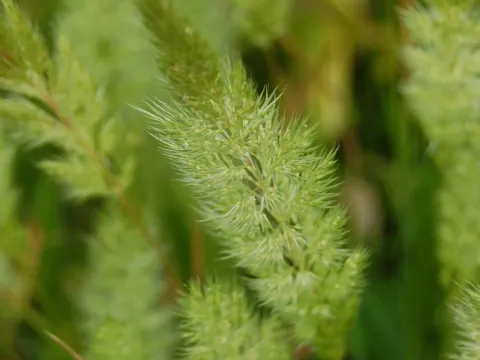
Gastridium
Gastridium
Gastridium is typically established as a spring-sown annual crop, thriving in regions where the soil warms up quickly after the winter season.
What the section contains


Gastridium
Seeds should be sown in early spring when moisture levels are optimal, ensuring that the soil surface has sufficient contact with the seeds for germination.
A shallow sowing depth is essential, as the small seeds of this grass species do not possess the energy reserves to emerge from deep within the soil profile.
Proper seedbed preparation is vital, involving moderate compaction after seeding to facilitate capillary water movement to the germinating seeds.
In regions with mild climates, late summer sowing is also feasible, provided that sufficient autumn rainfall is expected to support plant establishment.
Belonging to the Poaceae family, Gastridium is well-adapted to Mediterranean-type climates, exhibiting notable tolerance to seasonal drought conditions.
The crop performs best on light-textured soils, particularly well-drained sandy loams, where it is less prone to moisture-related root diseases.
Sunlight exposure is a primary requirement for this species; it does not tolerate shading and should be cultivated in open, well-lit agricultural areas.
While tolerant of low fertility, the plant responds positively to balanced nitrogen fertilization, which enhances biomass production during the spring growth flush.
The pH preference for Gastridium ranges from neutral to slightly alkaline, making it a suitable candidate for diverse soil types across arid and semi-arid zones.
Gastridium is primarily utilized for its forage potential, contributing to the nutritional profile of natural pasture lands and managed meadow systems.
The biomass yield is significantly influenced by the rainfall pattern and the timing of the first cut, which should align with the crop's vegetative peak.
When managed under intensive conditions with adequate nutrient inputs, the species can produce a consistent yield of high-quality hay for ruminant livestock.
Protein content is highest during the early stages of growth, emphasizing the importance of harvesting prior to the onset of stem lignification.
Beyond hay production, the plant serves as a vital cover crop that protects the soil surface from erosion in dry regions during the transition seasons.
The crop is susceptible to various fungal pathogens, such as rust and mildew, especially when humidity remains high for extended periods in late spring.
Root rots can become a significant issue if the crop is repeatedly sown in poorly drained fields or if the rotation cycle is improperly managed.
Insect pests, including cereal flies, may cause damage during the seedling stage, requiring close monitoring to prevent substantial stand thinning.
Preventative measures such as maintaining proper plant spacing and avoiding nitrogen over-application help to mitigate the risks of disease outbreaks.
Integrated pest management strategies, including the use of resistant varieties where available, are recommended to maintain high stand health and vigor.
Timing is the critical factor in Gastridium harvesting; the target is the early heading phase to balance dry matter yield with high nutritional content.
If harvested too late, the plant's palatability drops sharply as cellulose content increases, reducing its overall value as feed for livestock.
For seed production, harvesting must be timed to coincide with the golden-brown color stage of the inflorescences to minimize harvest losses from shattering.
Post-harvest management involves proper drying and baling techniques to ensure the hay is free of moisture that could lead to mold growth in storage.
Aftermath grazing is a common practice that utilizes the remaining vegetation, providing an economic benefit while cycling nutrients back into the soil.