
Giant alkaligrass
Puccinellia gigantea
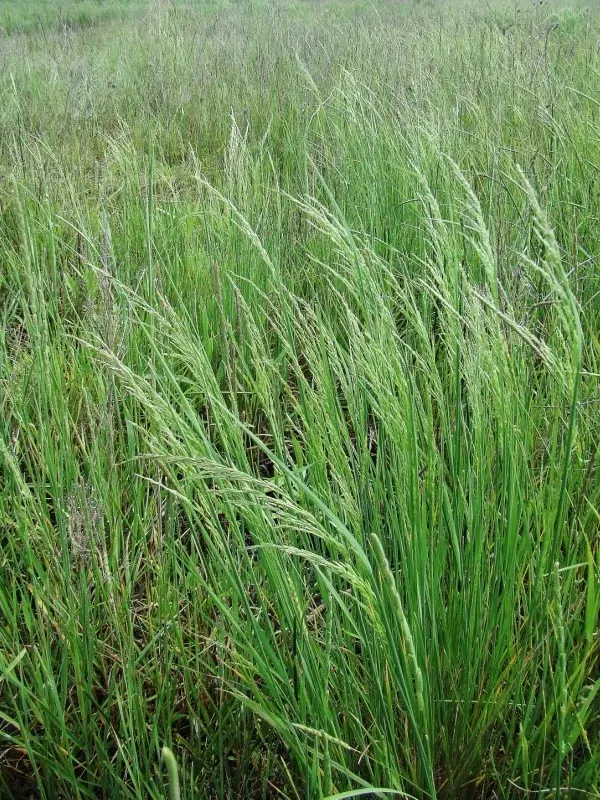
Description
Sowing dates
Giant alkaligrass seeds exhibit high germination rates when sown in early spring, utilizing the soil moisture available after snowmelt. Shallow planting at a depth of 1-2 cm is recommended to ensure optimal soil-seed contact for the small-sized seeds.
Cultivation practices include both monoculture and intercropping with other halophytic species. Rolling the field after sowing is a standard procedure to prevent wind erosion and improve seed establishment in the saline soil crust.
Fall sowing is only advisable in regions with mild winters, as the seeds require stratification but must remain dormant until spring. Seeding rates typically range from 8 to 12 kg per hectare, depending on local conditions and soil productivity.
The species is known for its strong natural regeneration, allowing it to maintain grazing productivity for many years without the need for reseeding. Proper weed management during the first year is crucial for a successful stand development.
In large-scale reclamation projects, seeds are often distributed by aerial seeding or specialized machinery in areas where traditional tillage is not feasible.
Growing requirements
Belonging to the Poaceae family, giant alkaligrass is a specialized halophyte perfectly adapted to saline and sodic soils. It thrives in environments with high salt content and in areas prone to periodic inundation.
This grass shows exceptional resilience to waterlogging and short-term flooding, making it an excellent choice for low-lying, poorly drained pastures. It is highly tolerant to a broad range of soil pH levels.
While productivity increases with adequate nutrient availability, the species is remarkably resilient and survives in extreme environments where other crops fail. Its frost resistance allows for successful cultivation in various climatic zones.
The plant prefers open areas with high solar exposure and displays strong competitive capabilities against weeds in saline soils. During severe drought, it can enter a period of physiological dormancy to survive until moisture returns.
The deep root system helps modify soil structure, improving drainage and gradually reducing surface salinity. This makes the crop an essential tool for restoring degraded lands affected by secondary salinization.
Yield
The yield of green matter for giant alkaligrass varies depending on the severity of soil salinity and the management intensity. In managed conditions, it produces significant quantities of high-quality forage.
Under intensive management, it can provide two full harvests per season. The first cutting should be performed at the heading stage to ensure the best balance of biomass and nutritional content for livestock.
The plant is highly valued for its strong regrowth potential, recovering rapidly after grazing or mowing. It maintains its nutritional value well into the autumn, providing excellent late-season forage.
Stands remain productive for 5 to 10 years when managed correctly. Occasional mineral fertilization can help sustain high yields and extend the longevity of the forage stand over time.
Seed harvesting requires careful timing because the seeds are prone to shattering as they reach maturity. Harvesting when panicles turn brown ensures the best yield of viable planting material.
Main diseases and pests
Giant alkaligrass has a strong natural resistance to most common diseases affecting forage grasses. However, excessively wet conditions in dense stands can occasionally lead to rust infections, which should be monitored.
Zabrus or other stem-boring flies can be a minor threat to young seedlings. Regular field scouting is the best approach to identify any localized pest problems and implement timely control if necessary.
Foliage damage by thrips may occur during prolonged dry spells when plants are stressed, reducing their natural resistance. Pesticide application should be used as a last resort and strictly controlled.
Weed competition during the initial establishment phase is the primary challenge to reaching full production potential. Effective grazing management is usually sufficient to control competitive weeds.
Due to its ecological adaptability, the crop generally requires little to no chemical intervention. The focus remains on sustainable cultural practices and maintaining the appropriate level of grazing pressure.