
Gangetic lovegrass
Eragrostis gangetica
Description
Growing requirements
Gangetic lovegrass (Eragrostis gangetica) is a notable member of the Poaceae family, known for its adaptability to wet and flooded habitats. It is primarily recognized as a grass species of significant ecological importance in tropical ecosystems.
The plant originates from parts of Africa and Asia, typically found in riverine environments, seasonal floodplains, and damp grassland areas. Its ability to tolerate wet soil conditions makes it a key component of riverside vegetation.
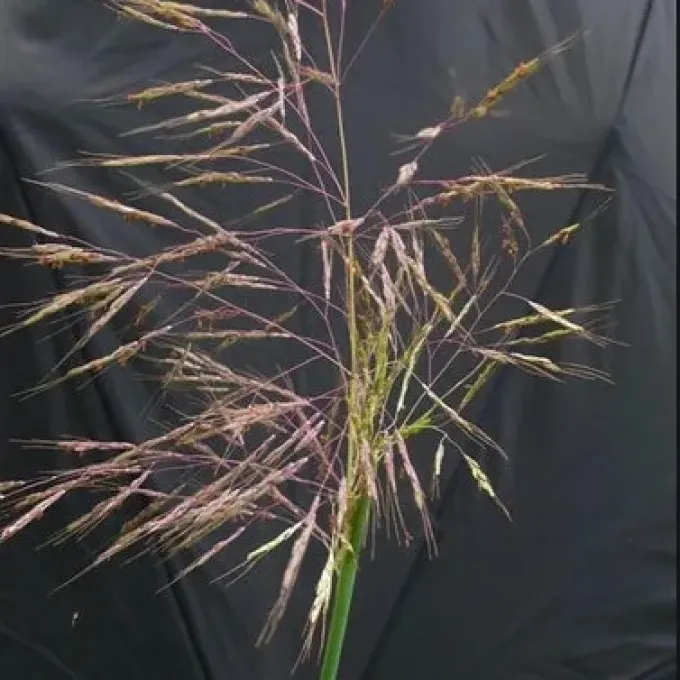
Botanically, this grass features slender, upright stems and characteristic panicle inflorescences. It grows in clumps and possesses a fibrous root system that efficiently stabilizes the soil against erosion during flooding events.
Optimal growth requires warm tropical temperatures and a consistent supply of moisture. It performs best in soils with high organic content or silt-heavy alluvial soils that remain damp for extended periods throughout the growing season.
In agricultural practice, it is primarily utilized as forage for livestock. It is harvested or grazed for its nutritional value, serving as a reliable source of green matter in regions where other forage crops struggle to survive.
Main diseases and pests
The primary threats to this grass include fungal pathogens such as rusts and various leaf spots, which thrive in humid environments. Excessive moisture can sometimes promote the rapid spread of these diseases within a dense stand.
Pests that commonly affect the plant include various stem-boring insects and foliage-feeding larvae. Maintaining proper soil health and avoiding over-concentration of the crop can help mitigate the pressure from these agricultural pests.