
Fargesia
Fargesia Franch.
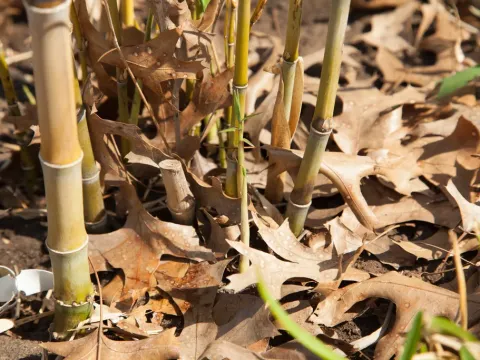
Fargesia is a genus of perennial evergreen plants belonging to the Poaceae family. Unlike running bamboos, this genus is characterized by its clumping growth habit, making it an ideal choice for controlled landscaping and ornamental use without the need for rhizome barriers.
What the section contains


Fargesia
The origin of Fargesia species traces back to the mountainous regions of China, particularly in high-altitude forests. This geographical history defines the plant's preference for cooler, temperate climates where temperatures remain moderate throughout the year.
Regarding site selection, Fargesia thrives in partial shade. While some species can tolerate more sun if soil moisture is consistently maintained, intense midday heat often causes leaf rolling and dehydration, negatively impacting the plant's ornamental value.
The ideal soil for Fargesia is a fertile, well-draining loam with a slightly acidic to neutral pH. Proper soil structure is essential to prevent waterlogging, as the root system is highly sensitive to hypoxia resulting from excessive moisture accumulation.
Cultural practices should emphasize consistent irrigation, especially during the active growth phase in late spring and early summer. Applying organic mulch, such as leaf mold or wood chips, helps maintain soil moisture, suppresses weeds, and mimics the natural forest floor habitat of the plant.
The most common pests affecting Fargesia include spider mites, particularly during periods of low humidity. These pests feed on the underside of the leaves, causing them to yellow and drop. Regular monitoring and overhead misting can help prevent significant infestations.
Fungal diseases are predominantly related to poor aeration and water drainage. Root rot is a critical threat that can quickly kill an established clump if the soil remains saturated for extended periods, especially during the winter dormancy season.
Leaf spot diseases, caused by various fungal pathogens, can occur in damp, crowded conditions. Providing adequate spacing between plants to ensure good airflow is a standard preventive measure recommended by agronomists to maintain foliage health.
Aphids can also colonize the succulent new shoots during the spring. While rarely fatal, heavy infestations can weaken the plant and lead to sooty mold growth on the excreted honeydew, which requires cleaning and chemical intervention if the population reaches economic thresholds.
Environmental stress, such as winter burn from drying winds or late spring frosts, can sometimes be mistaken for disease. Protecting young plants from desiccation and providing stable soil nutrition are the best strategies to maintain the plant's natural resistance to secondary biotic threats.