
Eustachys petraea
Eustachys petraea
Description
Growing requirements
Eustachys petraea, commonly known as salt marsh finger grass, is a perennial member of the Poaceae family. It is native to tropical and subtropical coastal areas, where it thrives in sandy, well-draining soils.
The plant is highly adapted to saline environments, making it a valuable species for ecological restoration in coastal regions. It requires abundant sunlight and warm temperatures to achieve its full growth potential throughout the season.
While Eustachys petraea exhibits significant drought tolerance, it responds positively to regular moisture, which helps in maintaining vigorous growth and foliage quality. The soil should be kept aerated to prevent root stagnation.
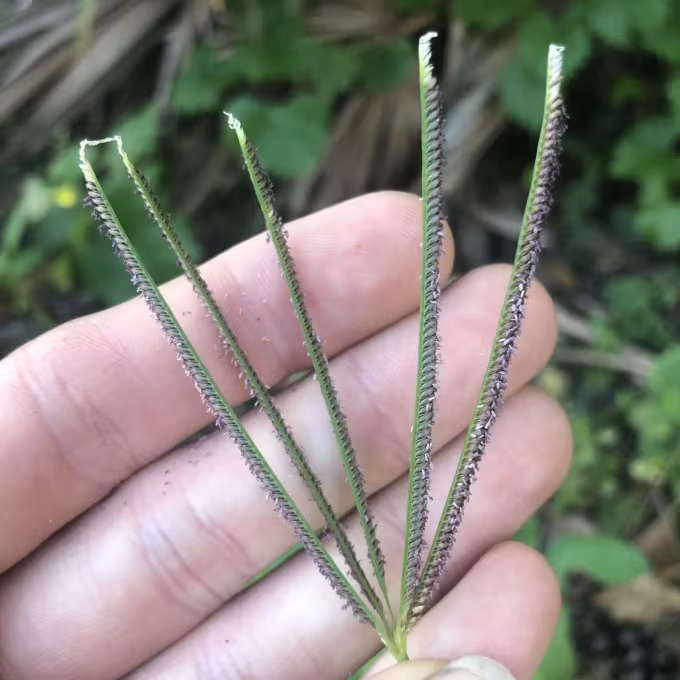
Botanically, the plant is characterized by its distinct finger-like inflorescences. The robust root system allows it to stabilize dunes and prevent erosion, which is one of the primary reasons for its utilization in land management.
In agricultural settings, this species is primarily used for pasture development and erosion control. Its ability to create dense, resilient mats of vegetation makes it an ideal candidate for protecting sensitive soil structures.
Main diseases and pests
The main threats to this grass include fungal pathogens that thrive in humid or stagnant conditions, potentially leading to leaf blight or rust. Proper field management is essential to ensure adequate airflow within the crop canopy.
Pests such as grasshoppers and soil-dwelling insects may occasionally damage the vegetation. However, due to its specialized adaptation to harsh coastal environments, Eustachys petraea generally requires minimal intervention to remain healthy.