
Eustachys distichophylla
Eustachys distichophylla
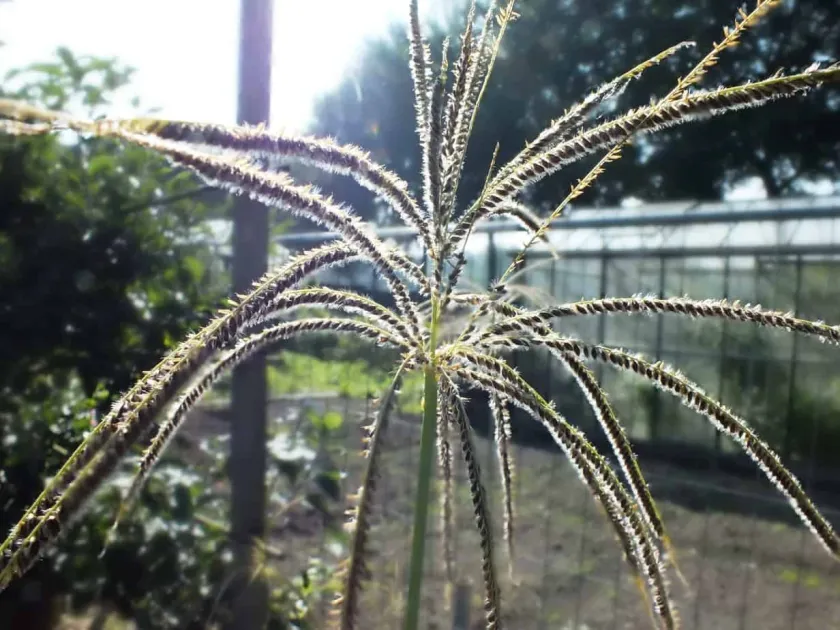
Description
Sowing dates
Eustachys distichophylla is a perennial warm-season grass that requires stable soil temperatures above 15 degrees Celsius for germination. Sowing should be planned for late spring to avoid any risk of late frosts.
Due to the small size of the seeds, they should be sown at a shallow depth of 1-2 centimeters. A firm seedbed is essential to ensure that the small seeds maintain moisture contact for uniform germination.
The use of press wheels on a grain drill is recommended to improve the soil-to-seed contact. Proper calibration of seeding equipment is vital to ensure an even stand across the entire field.
Seeding rates should be adjusted based on the intended use—pasture or hay production. Higher seeding rates are generally preferred for pastures to establish a thick, weed-resistant stand early in the season.
Early weed control is critical during the establishment phase, as the growth of this species is relatively slow at the beginning. Integrated weed management practices should be employed to protect the young seedlings.
Growing requirements
This species belongs to the Poaceae family and thrives in well-drained soils, including loams and sandy loams. It has a high tolerance for varying soil types provided there is no water stagnation.
It prefers sunny conditions and is highly adapted to tropical and subtropical climates. The plant is drought-tolerant once the root system is well-established, making it efficient in water use.
The optimal soil pH range for Eustachys distichophylla is between 6.0 and 7.2. Soil testing before planting is advisable to determine if liming is required to improve nutrient availability for the growing grass.
Fertilization with nitrogen is highly effective in increasing the biomass yield. Phosphorus and potassium levels should be balanced based on the specific soil test results of the cultivation site.
Good air circulation within the canopy is beneficial to prevent diseases caused by high humidity. Management practices should include regular monitoring for nutrient deficiencies that might manifest as leaf yellowing.
Yield
The yield of Eustachys distichophylla depends heavily on moisture availability and nitrogen management. Under ideal conditions, this grass provides multiple cuts throughout the growing season.
For high-quality hay, the crop should be harvested at the boot stage. Harvesting at this point ensures the best balance between protein content and fiber digestibility for livestock feed.
Rotational grazing is the best practice for pasture management. This approach allows the grass to recover between grazing periods, ensuring long-term persistence and high productivity of the pasture stand.
Nutritional analysis shows that the grass is quite palatable to cattle when managed correctly. As the plant matures, lignification increases, which can slightly reduce its feed value for younger stock.
Annual yields can be significantly improved by applying fertilizers immediately after each cut to support rapid regrowth. This encourages the plant to utilize the remaining growing season effectively.
Main diseases and pests
Fungal diseases like rust can occur in environments with high humidity and poor ventilation. Maintaining an appropriate stand density helps reduce the microclimate humidity that favors these pathogens.
Insect pests, including aphids and leafhoppers, may damage the leaves and reduce overall photosynthesis. Regular scouting is recommended to keep pest populations below the economic injury level.
Nematodes can sometimes affect the root system, particularly in lighter, sandy soils. Crop rotation and maintaining soil health are the best preventative measures against soil-borne issues.
Competitive weed species can severely stunt the growth of this grass if not managed. A clean field preparation is the most important step in protecting the stand during its initial growth phase.
Integrated Pest Management (IPM) programs should be used to minimize chemical use while effectively controlling threats. This approach preserves beneficial insect populations that can naturally control pests.
Harvesting
Hay harvesting should be done with sharp blades set at a height that does not damage the crown of the plants. Preserving the growing point is essential for fast recovery after each harvest.
Drying the cut grass in the field requires turning the windrows to ensure even moisture loss. Properly dried hay should have a moisture content of approximately 15-17 percent for safe storage.
When harvesting for seeds, timing is everything. The harvest should occur when the majority of the seed heads are brown to prevent excessive seed shatter and loss during the collection process.
Post-harvest cleaning and drying are necessary for the seed lot to meet quality standards. Storing seeds in a cool, dry place with consistent ventilation will maintain high germination rates.
Storage of hay bales must be in a well-ventilated, weather-protected barn to prevent spoilage and mold growth. Monitoring internal bale temperatures is a good practice to prevent spontaneous combustion.