
Fairy grass
Sporobolus caroli
Description
Growing requirements
Fairy grass (Sporobolus caroli) is a perennial grass species belonging to the Poaceae family. It is widely recognized for its ability to thrive in harsh, arid, and semi-arid environmental conditions where many other forage crops would fail.
Native to Australia, this plant is well-adapted to the volatile climate of its region. It is characterized by its resilience to prolonged droughts and high temperatures, making it a subject of interest for agricultural research focused on forage security in dry climates.
In terms of soil requirements, Sporobolus caroli prefers well-drained sandy or loamy soils. Its robust root system allows it to access groundwater and moisture effectively, ensuring survival during dry spells that are common in its natural habitat.
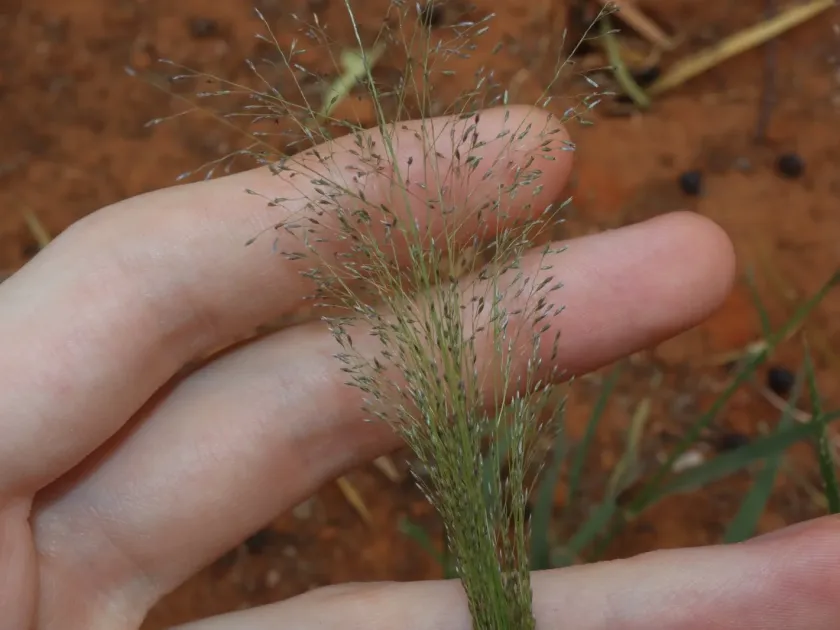
Botanically, the plant forms distinctive delicate panicles that give it a "fairy-like" appearance when flowering. The leaf blades are narrow and durable, designed to minimize water loss through transpiration, which is a key survival mechanism for this grass.
From an agricultural standpoint, Fairy grass is highly valued as a grazing resource. It provides essential forage for livestock in remote areas, and its ability to regenerate quickly after rain makes it an indispensable component of rangeland management.
Main diseases and pests
The primary threats to Sporobolus caroli include overgrazing, which can destroy the plant's root crown and lead to long-term degradation of the pasture. Additionally, the species can be susceptible to various fungal pathogens that typically affect wild grasses during periods of high humidity.
Insects, particularly locusts and grasshoppers, represent significant threats during outbreaks. Because the plant is largely used in extensive grazing systems, pest control is rarely employed, meaning the species must rely on its natural vigor and population resilience to recover.