
Eustachys paspaloides
Eustachys paspaloides
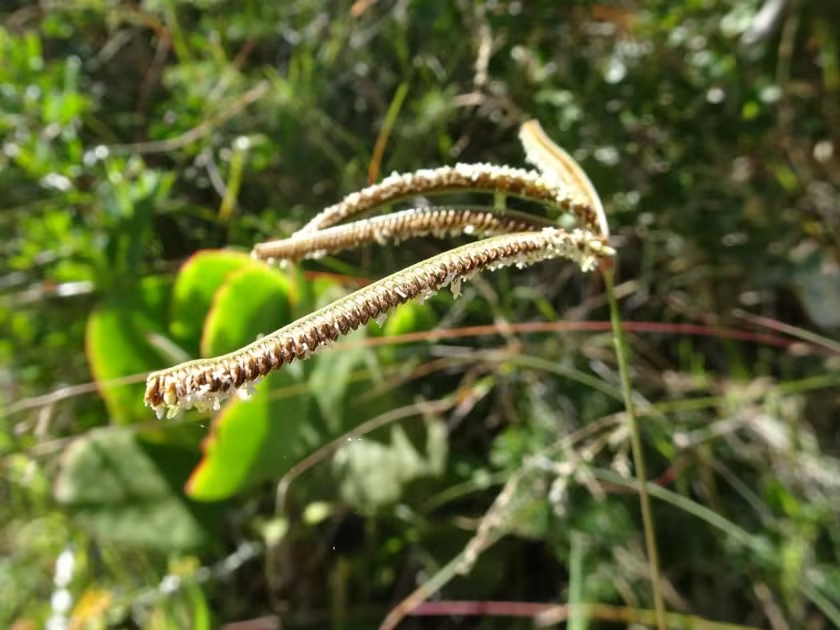
Description
Growing requirements
Eustachys paspaloides is a perennial grass species belonging to the Poaceae family. It is a warm-season grass widely recognized for its high adaptability to varying environmental conditions, particularly in tropical and subtropical regions.
Originating from southern Africa, this species has successfully adapted to diverse habitats, ranging from savannahs to open woodlands. Its biological structure allows it to thrive in nutrient-poor soils where other competitive grasses might struggle.
The plant demonstrates excellent drought tolerance, primarily due to its deep and fibrous root system. It prefers well-drained soil textures, such as sandy or loamy soils, and generally avoids waterlogged conditions which can lead to root degradation.
Regarding climate, Eustachys paspaloides requires consistent exposure to sunlight and temperatures ranging between 20°C and 30°C for optimal growth. It is highly sensitive to frost and typically enters dormancy or dies back when temperatures drop below freezing.
Agronomic management involves selecting sites with adequate sun exposure and ensuring proper soil aeration. While the plant is hardy, initial establishment requires weed control to allow the seedlings to develop a competitive root system.
Yield
The primary agricultural utility of Eustachys paspaloides is in forage production and pasture improvement. It is a palatable grass that livestock, particularly cattle and sheep, consume readily during the active growth phase.
The species is highly regarded for its persistence under grazing pressure. It has a notable ability to recover quickly after being grazed, making it a reliable choice for rotational grazing systems in arid environments.
Nutritional quality is best during the vegetative stage. As the plant enters the reproductive phase, lignin content increases, which reduces the digestibility of the forage for ruminants.
For hay production, it is crucial to harvest the grass just before the flowering stage begins. This timing maximizes the yield of green biomass while maintaining a high protein-to-fiber ratio for better animal weight gain.
Long-term yield stability is achieved through proper pasture management, which includes avoiding overgrazing. Rest periods allow the grass to replenish its carbohydrate reserves in the root system, ensuring vigorous regrowth for the following season.
Main diseases and pests
Eustachys paspaloides is generally hardy, but it can be susceptible to fungal diseases such as leaf rust and various smuts, especially when growing in humid or poorly ventilated conditions.
In terms of pests, grasshoppers and aphids are the most common threats. Aphid infestations can weaken young tillers, potentially impacting the plant's overall vigor and biomass production capacity.
Effective management includes maintaining a clean field and ensuring appropriate plant density to improve air circulation. Reducing stagnant air helps mitigate the risk of fungal infections within the dense forage canopy.
Scouting for early signs of disease or pest outbreaks is essential. If infestations are detected early, localized intervention is often sufficient to prevent the spread of the problem to the entire pasture.
Finally, maintaining soil health through balanced fertilization and preventing soil compaction supports the plant's natural defenses, making it more resilient to external stressors and biological threats.