
Wheat-like wheatgrass
Eremopyrum triticeum
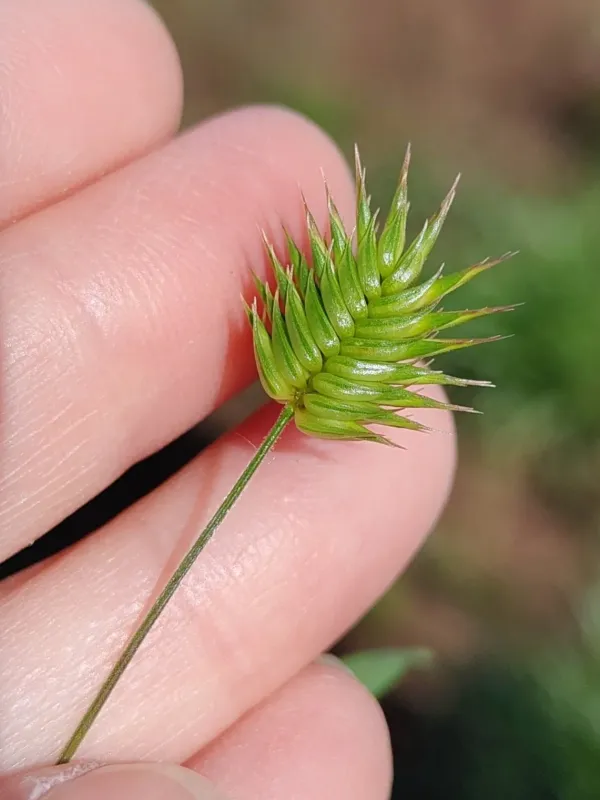
Description
Growing requirements
Wheat-like wheatgrass (Eremopyrum triticeum) is an annual herbaceous grass belonging to the Poaceae family. This species is a characteristic member of arid and semi-arid ecosystems, highly adapted to the harsh conditions of steppe and desert environments.
The native range of the species extends across Southern Europe, the Caucasus, and Central Asia. It thrives in open, sunny locations and is frequently observed growing in saline, sandy, or degraded soils where most traditional agricultural crops fail to establish themselves.
Botanically, this plant follows an ephemeral strategy, characterized by a rapid life cycle. By completing its growth and reproduction phases within a short spring window, it effectively avoids the severe drought and intense heat of the summer months, ensuring survival in extreme climates.
The species has minimal requirements for soil fertility. It exhibits significant tolerance to soil salinity and requires well-drained substrate to prevent root rot. Its growth is primarily driven by available moisture in early spring rather than soil enrichment.
From an agricultural standpoint, it serves as a valuable forage resource during the early spring season. While its total biomass is limited, it provides essential green fodder for livestock in regions where other forage grasses have not yet begun their active development period.
Main diseases and pests
The plant can be susceptible to typical cereal diseases, including various types of rusts and smuts, especially when environmental conditions during the flowering phase become excessively humid or stagnant.
Common pests include cereal aphids and locusts that inhabit steppe regions. These insects can significantly reduce the nutritional value of the stand if they reach high population densities during the plant's peak growing phase.