
Chimonobambusa tumidissinoda
Chimonobambusa tumidissinoda
Description
Growing requirements
Chimonobambusa tumidissinoda is a distinctive member of the Poaceae family. Known for its unique growth habit, this bamboo species is native to the high-altitude regions of Sichuan and Yunnan in China.
The plant thrives in moist, cool mountain climates. It prefers deep, nutrient-rich soils that have excellent drainage properties, as the roots are sensitive to waterlogging and prolonged anaerobic conditions.
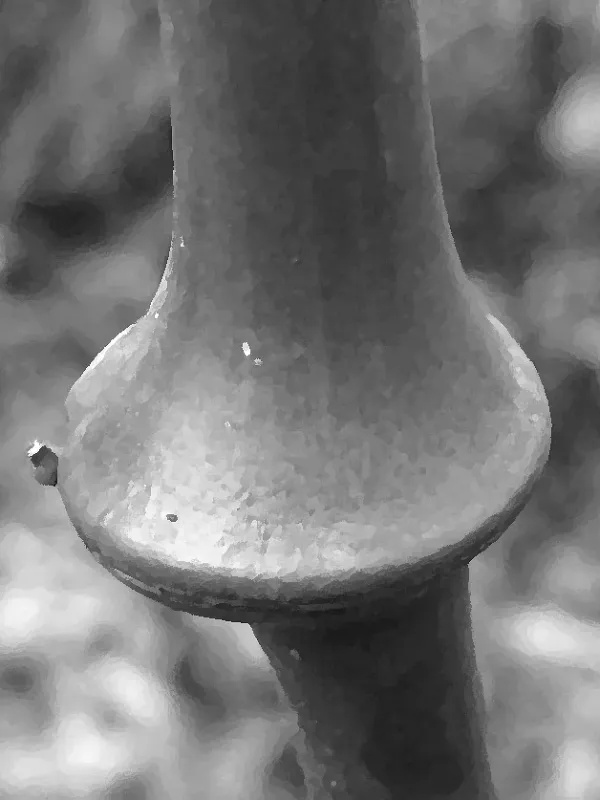
Botanically, the species is famous for its swollen nodes, which create a segmented, decorative appearance. The culms (stems) are relatively thick and woody, providing the plant with great structural integrity.
Regarding climate, it prefers areas with high humidity and moderate temperatures. While it is somewhat cold-hardy, extreme frost can damage young shoots, requiring protective measures in colder climates.
The cultivation process requires regular irrigation to ensure the soil remains moist but not saturated, along with periodic application of nitrogen-rich organic fertilizers during the spring growth season.
Main diseases and pests
The most common agricultural threat is root rot caused by poor soil drainage. If the soil remains soggy for extended periods, the rhizomes become prone to fungal colonization and decay.
Foliar pests, such as aphids and spider mites, are frequent issues during hot and dry summer months. Effective management involves maintaining canopy hygiene and utilizing water sprays for early infestation control.
Rust disease can affect the leaves, resulting in yellow or brown pustules. This is usually triggered by inadequate airflow within the grove, necessitating regular thinning of the culms.
To mitigate these threats, integrated pest management (IPM) is recommended, focusing on maintaining strong plant health through proper fertilization and selective pruning of overcrowded branches.
Early detection is crucial. Regular field scouting during the active growth period allows for the application of targeted interventions before the infection or infestation spreads across the bamboo grove.
Harvesting
Chimonobambusa tumidissinoda is primarily harvested for its high-quality, aesthetic culms. Its unique nodal morphology makes it a premium material for high-end craftwork and artisanal furniture design.
Harvesting usually occurs after the bamboo culms have matured for three to five years. This maturation process ensures that the cellulose and lignin density is sufficient for durable applications.
Post-harvest treatment involves systematic curing. The culms must be dried slowly under shade to prevent checking or cracking, ensuring the structural stability of the nodes is preserved.
In addition to craft utility, this bamboo is highly valued in horticulture. It serves as a striking focal point in architectural landscapes, where it is used to create visual barriers and texture.
Sustainable harvesting techniques, such as selective pruning of older stalks, help maintain the health and vigor of the bamboo grove, ensuring long-term yield for the landowner.