
Chimonobambusa callosa
Chimonobambusa callosa
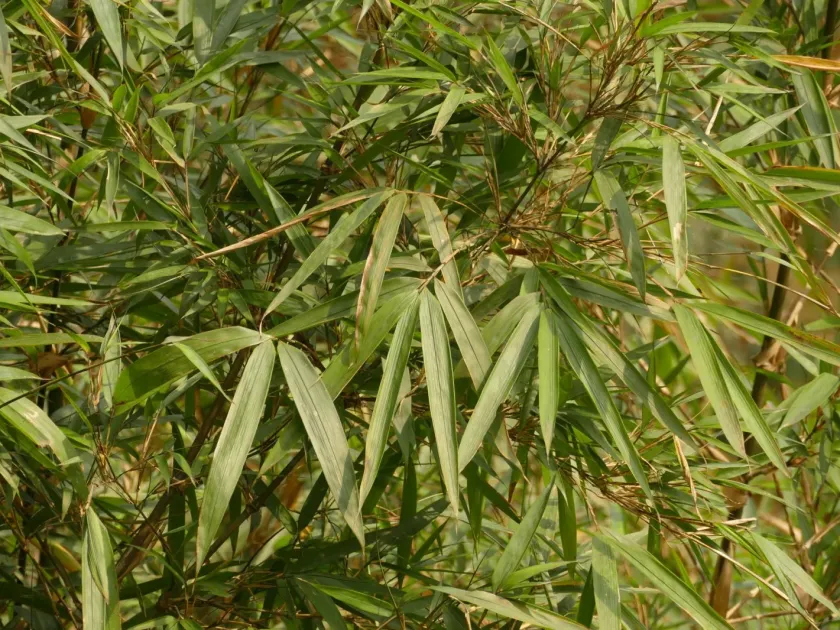
Description
Growing requirements
Chimonobambusa callosa is a perennial evergreen bamboo belonging to the Poaceae family. This species is recognized for its unique, knobby culms and its ability to thrive in mountain forest environments, which makes it a distinctive botanical specimen.
The plant originates from Southeast Asia, specifically inhabiting high-altitude regions with cool, humid conditions. Its native habitat provides insight into its preference for stable environmental conditions and high soil moisture levels throughout the growing season.
For successful cultivation, the plant requires well-draining, humus-rich soil that mimics the forest floor. It is essential to ensure that the soil pH remains slightly acidic to neutral, as extreme imbalances can inhibit nutrient uptake and overall plant vigor.
The species prefers semi-shaded areas where it is protected from intense afternoon sunlight, which can scorch the foliage. In regions with harsh winters, protective measures such as heavy mulching are necessary to prevent the rhizomes from freezing damage.
Maintenance involves frequent irrigation during dry spells, as the species does not handle drought well. Fertilization should be limited to the spring season using organic compost or balanced nitrogen-rich fertilizers to support the rapid development of new shoots.
Main diseases and pests
Common issues include potential infestation by aphids or spider mites, particularly when grown in high-humidity indoor settings or stagnant air conditions. Regular monitoring of the undersides of the leaves is recommended to detect pests early.
Fungal diseases related to root rot are the primary threats, occurring mostly due to poor drainage or excessive watering. Maintaining adequate airflow around the plant and ensuring the soil is never waterlogged are the best preventative strategies.
Harvesting
Economically, Chimonobambusa callosa is primarily utilized in the ornamental horticulture sector. Its dense clumping habit and unique stem texture make it a popular choice for screening, privacy fences, and artistic landscaping projects in temperate gardens.
Harvesting for material use involves cutting mature culms that have fully lignified, typically 3 to 5 years after growth. These harvested stems can be processed for lightweight construction or crafting, depending on the specific diameter and strength achieved.