
Square bamboo
Chimonobambusa quadrangularis
Description
Growing requirements
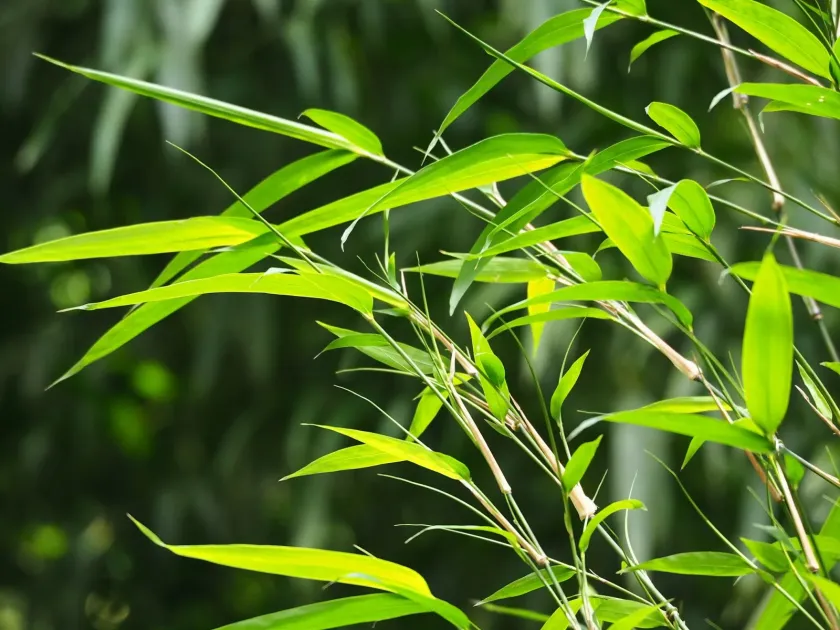
Chimonobambusa quadrangularis, commonly known as square bamboo, belongs to the Poaceae family. Native to the mountainous regions of China and Japan, it is a unique species characterized by its distinctively square-shaped stems with rounded corners.
The plant thrives in subtropical climates that provide consistent moisture and moderate temperatures. It prefers well-drained, fertile soil rich in organic matter, with a slightly acidic to neutral pH balance, avoiding waterlogged sites.
Growth conditions require high humidity and protection from harsh, drying winds. While the plant can tolerate light frost down to -10 degrees Celsius, it performs best in sheltered environments where the temperature does not fluctuate drastically.
Propagation is primarily achieved through rhizome division. This method is the most reliable way to maintain the specific growth habits of the mother plant and ensures faster establishment in new plots during the spring season.
In terms of agricultural management, maintaining soil fertility is crucial. Regular mulching with compost or aged manure helps retain moisture and provides the necessary nutrients for the development of robust, square-shaped culms.
Main diseases and pests
Spider mites are a common threat, particularly in drier or indoor environments. They feed on the sap of the leaves, leading to chlorosis and potential defoliation. Increasing ambient humidity and using appropriate miticides are standard control measures.
Fungal diseases like rust can occur if the planting density is too high, leading to poor airflow. Ensuring adequate spacing between individual plants and pruning dead or overcrowded culms significantly reduces the risk of infection.
Root rot is a major issue in poorly drained soils or overwatered conditions. It is essential to ensure that the site has a proper drainage system to prevent fungal pathogens from attacking the plant's delicate rhizomes.
Mealybugs may infest the internodes and leaf sheaths. These insects suck the vital juices of the bamboo, causing stunted growth. Systemic insecticides are effective for managing infestations, provided they are applied early.
Regular sanitation programs are vital to keep the plantation healthy. Removing damaged, diseased, or extremely old stems prevents the accumulation of pests and diseases that could otherwise threaten the productivity of the entire grove.
Harvesting
Square bamboo is widely used in landscape architecture as an ornamental feature. Its unique shape makes it a highly sought-after plant for creating aesthetic borders, private screens, and exotic garden focal points.
The culms of this species are highly valued for their strength and geometrical shape, which makes them ideal for artisan woodwork. They are frequently used to craft walking sticks, tool handles, and decorative furniture components.
Harvesting usually occurs during the winter dormancy period. At this stage, the water content in the culms is at its lowest, which facilitates faster drying and reduces the risk of the material cracking or rotting.
After harvesting, the stems are air-dried in a vertical position under cover. This slow, controlled drying process is crucial to preserve the structural integrity of the bamboo and to ensure the longevity of the finished wood products.
Besides its technical and aesthetic uses, the plant helps in soil stabilization. Its extensive rhizome network acts as a natural barrier against soil erosion, making it a sustainable choice for reclaiming sloped landscapes.