
Capillipedium parviflorum
Capillipedium parviflorum
Description
Growing requirements
Capillipedium parviflorum, commonly known as a type of scented top grass, is a perennial member of the Poaceae family. Originating from tropical and subtropical regions of Asia, Africa, and Australia, it has successfully adapted to a wide range of ecological niches.
The plant thrives in well-drained soils and shows a remarkable ability to grow in nutrient-poor environments. This hardiness makes it a valuable species for ecological restoration projects where soil conditions are often suboptimal for more demanding crops.
Regarding climate, it prefers warm, sunny conditions and is sensitive to heavy frosts. Successful cultivation requires a frost-free period or regions where winter temperatures remain mild, ensuring the plant can recover effectively during the spring growing season.
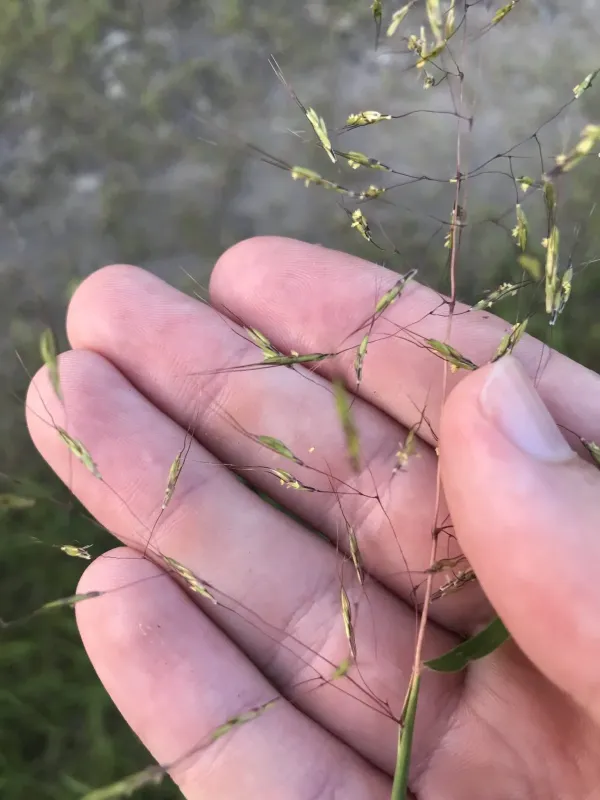
Botanically, it features slender, fibrous stems and delicate, spreading panicles. The root system is quite expansive, which aids the plant in securing its position in the soil, effectively preventing soil loss due to wind and rain.
Agricultural management is relatively low-input. Once established, the grass requires minimal intervention, though providing adequate moisture during the initial growth phase will significantly improve biomass production and stand density.
Yield
In agricultural practice, this species is primarily harvested for forage and hay. It serves as a reliable source of roughage for livestock, offering moderate nutritional value that supports maintenance diets for cattle and small ruminants.
Its role in environmental management is equally important; the grass is extensively used for slope stabilization and erosion control. By anchoring the soil, it protects delicate landscapes from structural degradation and runoff.
The crop's dry stalks are also used in rural areas as bedding material for farm animals. This use is valued for the material's durability and natural ability to absorb moisture, keeping stable environments cleaner and more comfortable.
In ecological landscaping, Capillipedium parviflorum is appreciated for its aesthetic value. Its fine-textured panicles add a natural, meadow-like appeal to gardens and public spaces, remaining attractive throughout the late summer and autumn months.
Furthermore, the species contributes to soil health by depositing significant amounts of organic matter through its root turnover. This process helps to gradually increase the carbon content of the soil, promoting long-term fertility in degraded lands.
Main diseases and pests
Fungal diseases are the primary threat, especially in humid and poorly ventilated conditions. Rusts and mildews can affect the foliage, reducing both the aesthetic and nutritional quality of the forage if moisture is not properly managed.
Pest management focuses on controlling aphids and stem-boring insects that may target the young shoots. Integrated pest management, including regular mowing and the introduction of predatory insects, is often sufficient to keep populations below damaging thresholds.
Waterlogging is a significant danger that can lead to root rot. To mitigate this risk, it is essential to ensure that the site has sufficient drainage, preventing stagnant water from accumulating around the root crowns during rainy seasons.
Weed competition is mainly an issue during the seeding year. Once the grass has developed its dense root mat, it is highly competitive and typically outcompetes other unwanted vegetation, reducing the need for chemical herbicides.
Maintaining plant health involves avoiding overgrazing. By allowing the plants to recover after periods of grazing or harvesting, farmers ensure a vigorous root system, which in turn strengthens the plant's resistance to environmental stress and pathogens.