
Capillipedium spicigerum
Capillipedium spicigerum
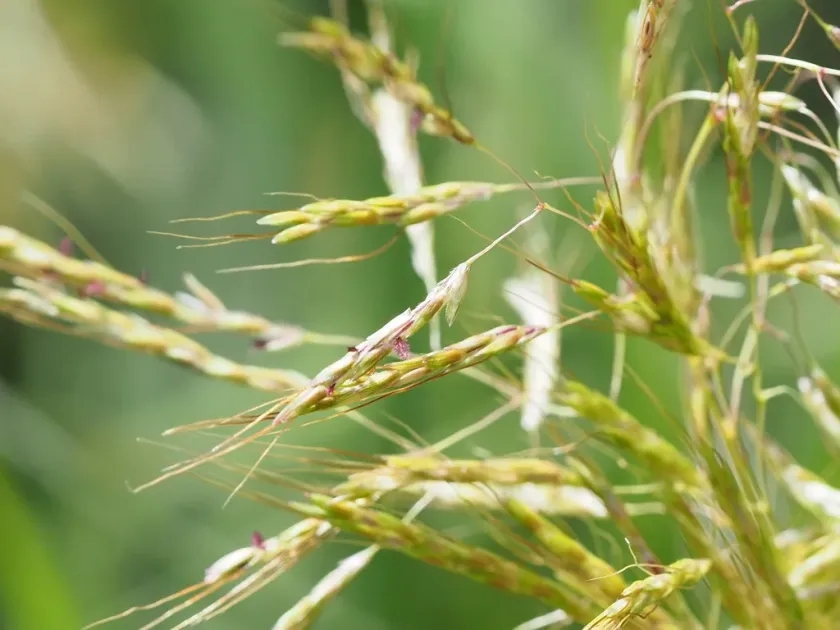
Description
Growing requirements
Capillipedium spicigerum is a perennial grass species belonging to the Poaceae family. It is known for its sturdy growth habit and ability to thrive in diverse environments, making it a subject of interest for agricultural studies in tropical and subtropical regions.
The native distribution of this species spans across Asia and parts of Oceania. It prefers warm climates with sufficient sunlight, which drives its rapid biomass production and enhances the nutritional quality of its foliage for grazing livestock.
Regarding soil requirements, this grass performs best in well-drained, fertile loams. It does not tolerate waterlogging, which often leads to root hypoxia, therefore proper land preparation and drainage management are essential for successful cultivation.
Climate adaptability is a key characteristic, with optimal growth temperatures ranging between 22 and 30 degrees Celsius. The species is highly sensitive to frost, necessitating careful site selection to avoid temperature extremes that could affect plant longevity.
Farmers utilize this plant primarily for pasture development. Its nutritional composition and palatability make it a sustainable choice for supporting ruminant diets in areas where traditional forage crops might struggle to establish.
Main diseases and pests
The main phytosanitary risks for Capillipedium spicigerum include fungal infections such as leaf rust, which can rapidly spread under high humidity conditions. Such infections significantly diminish the overall yield and digestibility of the harvested crop.
Pests such as aphids and various species of grass-feeding flies can impact crop vigor. Effective monitoring and the application of integrated pest management strategies are crucial to maintaining the health of the forage stands throughout the growing season.
Overcrowded stands often create a microclimate favorable for pathogens, such as powdery mildew, which can stunt the growth of young plants. Managing plant density and ensuring proper field aeration are effective cultural control methods.
Soil-borne pathogens may also pose a threat if the field is not rotated properly. It is recommended to observe agricultural cycles to prevent the buildup of specific grass-related pathogens that can negatively impact long-term productivity.
The use of chemical controls, such as fungicides and insecticides, should be strictly regulated according to local agricultural standards to ensure that the produced forage remains safe for animal consumption and does not harbor chemical residues.