
Canary grass
Phalaris hispanica
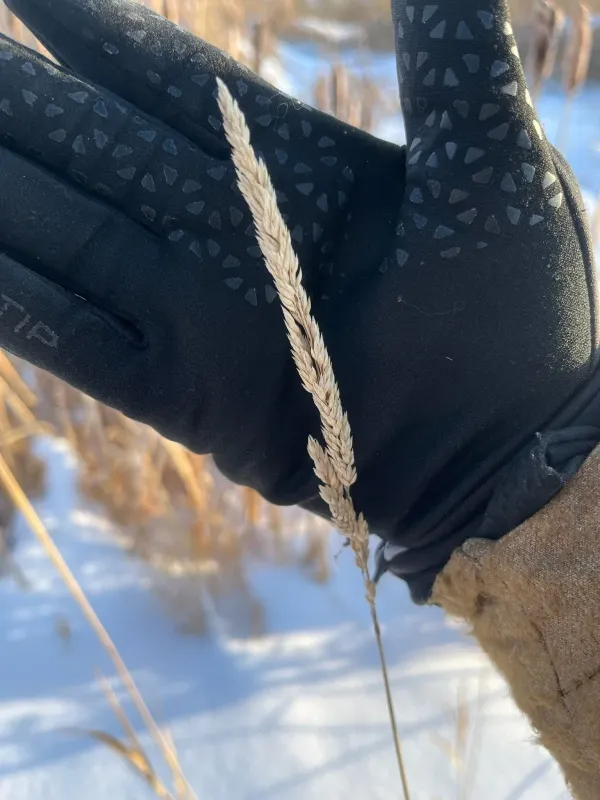
Description
Sowing dates
Phalaris hispanica, a member of the Poaceae family, is a cereal crop that is typically sown during the spring months once the soil temperature is stable.
The ideal sowing window occurs when ground temperatures reach 8–10 degrees Celsius, allowing for optimal germination rates across the field.
Seeds should be planted at a shallow depth of 2 to 3 centimeters, as this ensures that the young plants have sufficient energy to break through the soil surface.
Standard seeding rates are usually set between 10 and 15 kilograms per hectare, depending on the specific soil fertility and the intended use of the crop.
Row cropping with a spacing of 15–20 centimeters is recommended to facilitate proper weed management and ensure uniform nutrient distribution for each plant.
Growing requirements
This crop performs best in well-drained, fertile soils, showing a preference for loamy textures that hold enough moisture without becoming waterlogged.
Soil pH levels ranging from 6.0 to 7.5 are considered optimal for maximizing growth and ensuring nutrient availability throughout the vegetative period.
Phalaris hispanica requires ample sunlight exposure, so planting in shaded areas should be avoided to prevent stem lodging and poor seed development.
While the plant displays moderate drought tolerance, adequate moisture during the tillering and stem elongation stages is essential for a high-quality harvest.
Balanced fertilization, particularly with nitrogen, plays a key role in the early stages of plant establishment and overall biomass production.
Yield
The total yield of this crop is influenced by both the precision of the agricultural practices and the climatic conditions of the specific growing season.
Under favorable management, farmers can expect grain yields ranging from 1.5 to 2.5 tonnes per hectare, depending on local environmental factors.
When cultivated for green forage or hay, the plant produces significant biomass, which can reach 10–15 tonnes per hectare depending on the harvest frequency.
Consistent irrigation and weed control are primary factors that differentiate between average and high-performing production cycles.
Proper post-harvest management and storage are crucial to maintain the quality of the harvested grain and to minimize potential loss due to humidity.
Main diseases and pests
Cereal flies are among the most significant pests affecting young seedlings, potentially reducing stands if left unmanaged during the early growth phase.
Fungal diseases like powdery mildew and various rusts can impact the crop if the planting density is too high or if weather conditions remain humid for extended periods.
Integrated pest management strategies, including crop rotation and the use of resistant varieties, are recommended to maintain plant health.
Aphids may infest the plants during dry spells, which necessitates monitoring and timely application of targeted controls to prevent crop stress.
Effective weed suppression is most critical during the first few weeks after sowing, as the young plants are slow to cover the ground completely.
Harvesting
Grain harvest should take place at full maturity, typically identified by the drying out of the seed heads and a significant reduction in grain moisture.
Direct combining is common, though it requires precise adjustment of the machine settings to avoid excessive seed shattering during the process.
For forage purposes, the crop must be mowed during the heading stage, as this is when the nutritional value and digestibility are at their peak.
Cleanliness of the harvested grain is vital, and post-harvest cleaning and drying are necessary steps to ensure suitability for long-term storage or market sale.
Monitoring the field for uneven maturity is important to determine the exact harvest timing and to avoid pre-harvest losses due to natural shattering.