
Arthraxon lancifolius
Arthraxon lancifolius
Description
Growing requirements
Arthraxon lancifolius is an annual grass species belonging to the Poaceae family. Originating from tropical and subtropical regions, this plant is well-adapted to warm climates and often thrives in humid environments such as riparian zones, marshes, and damp meadows.
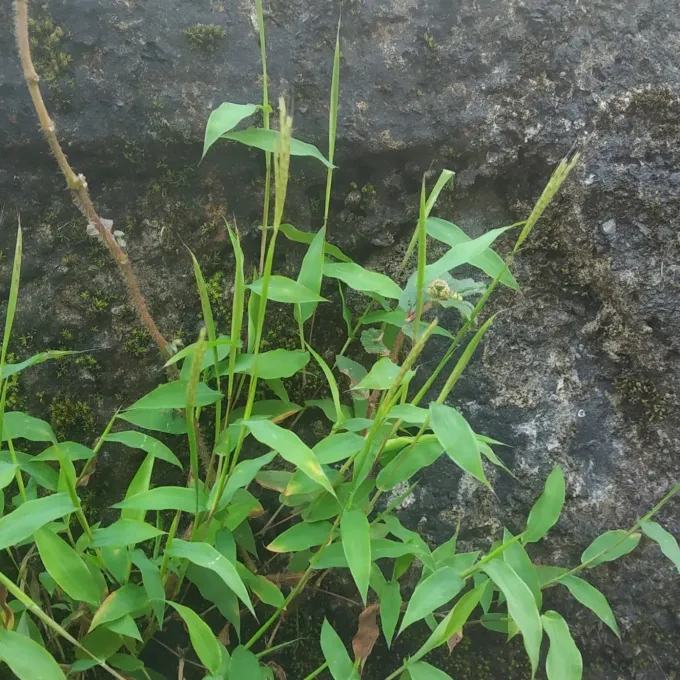
The botanical structure of the plant features slender, creeping culms that branch at the nodes and readily produce roots upon contact with moist soil. Its lanceolate leaves are arranged alternately, providing a significant surface area for photosynthesis in various light intensities.
Regarding climate and soil, this grass requires consistent moisture and performs best in fertile, well-draining soils. While it demonstrates some tolerance to various conditions, optimal growth is observed when temperatures remain within a warm range, facilitating rapid vegetative expansion.
In terms of agricultural usage, Arthraxon lancifolius is primarily valued as a forage crop. It is highly palatable for livestock and is frequently grazed in natural pasture settings where its regenerative capacity allows for multiple grazing cycles within a single season.
Effective management techniques involve monitoring grazing intensity to maintain the vitality of the sward. By preventing the grass from reaching maturity too quickly, farmers can ensure a steady supply of high-protein feed throughout the growing period in suitable latitudes.
Main diseases and pests
Typical threats for this grass include fungal pathogens, such as rust and leaf spot diseases, which often manifest in high-humidity conditions. Implementing appropriate spacing and ensuring adequate soil drainage can help mitigate these risks and support healthy plant development.