
Tall wheatgrass
Elymus elongatus
Description
Sowing dates
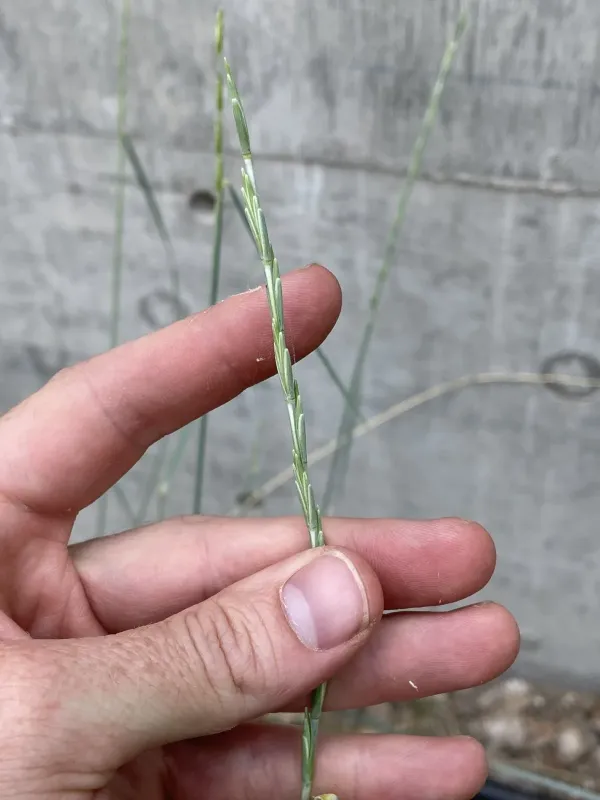
Tall wheatgrass (Elymus elongatus) is a robust perennial grass belonging to the Poaceae family, widely recognized for its excellent forage properties and environmental resilience. Sowing is typically performed in early spring or late summer, ensuring the plants establish a strong root system before extreme temperature fluctuations occur.
The recommended seeding rate varies from 12 to 16 kg per hectare, depending on soil quality and the intended density of the stand. Drilling the seeds into the ground at a depth of 2–3 cm is essential to ensure adequate moisture contact and protect the seeds from avian pests.
Rolling the soil immediately after sowing is a critical agronomic practice to improve germination rates, especially in lighter or drier soils. This practice promotes better seed-to-soil contact and reduces moisture loss, which is vital for the slow-growing seedlings during the first year.
Because the crop is slow to establish initially, controlling weeds in the early stages of growth is mandatory. Mechanical weeding between rows or the use of selective herbicides can help the crop gain dominance, leading to a long-lasting and productive forage stand.
Once established, this grass is known for its longevity, often producing high-quality forage for over a decade. Proper timing of the initial sowing allows the plant to utilize seasonal rainfall, which is essential for deep root penetration in the long run.
Growing requirements
Tall wheatgrass is globally renowned for its exceptional tolerance to saline and alkaline soil conditions, making it an ideal choice for restoring degraded land. It thrives in environments where other common forage crops would fail due to soil toxicity or high salt concentrations.
The plant features a deep and extensive root system, providing superior drought tolerance. This trait allows the grass to remain productive during hot, dry summer months, maintaining biomass production when other forage grasses typically go dormant or suffer severe stress.
The crop is highly adaptable to a variety of soil types, though it performs best in well-drained loam or clay soils. It avoids areas prone to waterlogging or standing water, preferring sites with good aeration, which is fundamental for healthy root development.
Regarding climate, tall wheatgrass is cold-hardy and resilient to extreme temperature variations. It breaks winter dormancy early in the spring, which provides high-quality early-season grazing opportunities for livestock when other pastures are still emerging.
Beyond forage, it serves vital roles in conservation agriculture, including wind erosion control and soil stabilization. Its dense growth habit makes it an excellent cover crop for preventing soil degradation on slopes and marginal lands.
Yield
The biomass yield of tall wheatgrass is highly impressive under favorable moisture conditions, with potential harvests reaching 30–40 tonnes of green matter per hectare. Even under dryland conditions, it remains a reliable source of quality fodder for cattle and sheep.
Hay production typically ranges from 4 to 7 tonnes of dry matter per hectare. The crop retains its nutritional value well into the flowering stage, offering farmers flexibility in harvesting schedules without significant losses in crude protein or mineral content.
Seed production is another viable enterprise for farmers growing tall wheatgrass. With optimal management, seed yields can reach 300–500 kg per hectare, provided the harvest is timed correctly to prevent shattering and reduce losses in the field.
To sustain high yields over many years, strategic nitrogen fertilization following each cut is recommended. This practice supports continuous re-growth and helps maintain the vigor and density of the stand, preventing the soil from becoming over-exhausted.
The high fiber content and mineral balance of the hay make it a highly desirable feed component. It is particularly valued in mixed-fodder systems where it provides necessary bulk to the livestock diet, promoting overall herd health and productivity.
Main diseases and pests
While tall wheatgrass is generally resistant to many pathogens, rust diseases can emerge under conditions of high humidity and poor ventilation. These fungal infections appear as pustules on the foliage, which can reduce the nutritional quality and palatability of the harvested hay.
Powdery mildew is another occasional concern, especially in densely planted fields where air circulation is limited. Maintaining proper spacing and timely harvesting are key preventative measures to keep the canopy healthy and free from excessive fungal development.
In terms of insect pests, cereal flies and seed wasps can cause significant damage to reproductive parts, threatening seed viability. Regular field scouting and the use of approved insecticides during the reproductive stage are necessary if economic thresholds are exceeded.
Soil-dwelling insects like wireworms may affect young stands during the establishment phase. Protective seed treatments are an effective method to mitigate these risks and ensure a high percentage of seedling survival during the first year of cultivation.
The overall resilience of the crop allows for low chemical dependency, which is a major benefit for sustainable farm management. By prioritizing good agronomic practices, farmers can keep pest and disease impacts at an economically negligible level.
Harvesting
The primary harvest window for high-quality hay occurs at the heading to early-flowering stage. Harvesting at this time ensures the best balance of crude protein, energy, and biomass volume, resulting in highly digestible fodder for winter storage.
Seed harvesting should be performed when the heads turn a characteristic brown color, indicating maturity. Farmers must monitor fields closely to avoid shattering, as the seeds drop easily once the crop reaches full ripeness and becomes overly dry.
Mechanical harvesting using swathers or mowers-conditioners is recommended to facilitate rapid drying. Reducing moisture content efficiently is crucial to prevent molding and to maintain the bright green color and sweet aroma of the hay.
When harvesting seeds directly with a combine, proper calibration of cylinder speed and concave clearance is essential. Minimizing mechanical damage ensures high germination rates for future planting seasons and preserves seed quality.
Once harvested, the seed or hay must be stored under appropriate conditions—cool, dry, and well-ventilated. Proper drying to a moisture level of 12–14% ensures long-term stability and high germination vigor for the duration of the storage period.