
Arrhenatherum longifolium
Arrhenatherum longifolium
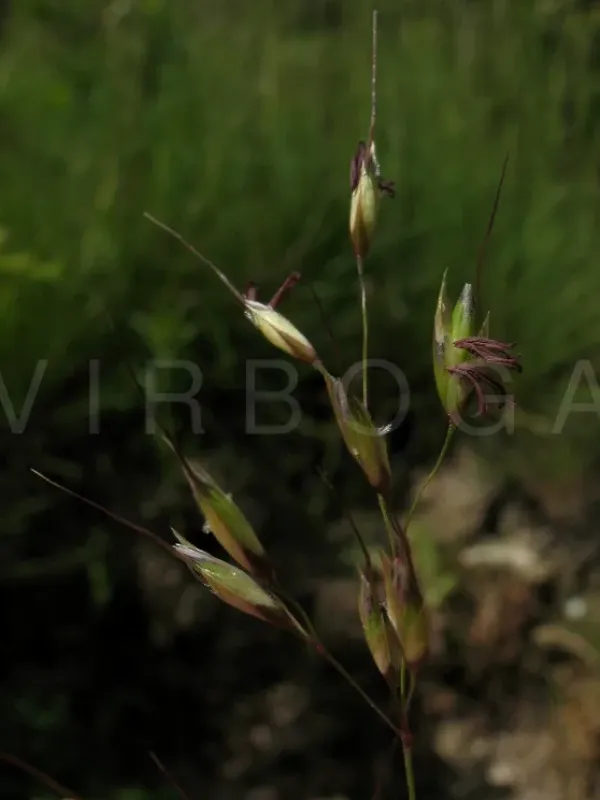
Description
Sowing dates
Arrhenatherum longifolium, belonging to the Poaceae family, is a valuable perennial grass species recognized for its resilience and ability to thrive in varied environmental conditions. Its biological structure, characterized by a deep root system, enables it to compete effectively in various grassland ecosystems.
The ideal time for planting is early spring or early autumn, depending on local rainfall patterns. Ensuring the soil temperature is stable and above 5-8 degrees Celsius promotes optimal germination rates. Early spring sowing is generally preferred to establish the crop before summer drought.
Seeds should be sown at a shallow depth of 1-2 centimeters. Deep sowing often leads to poor emergence because of the energy required for the small seeds to reach the surface. Firming the soil after sowing with a roller improves capillary action and ensures consistent seed-to-soil moisture contact.
This species is highly regarded for its potential in soil erosion control. Its extensive root network anchors the soil, making it an excellent choice for re-vegetating slopes or areas degraded by previous agricultural or industrial misuse.
Initial establishment requires careful monitoring for weed competition. Using a well-prepared seedbed free from perennial weeds significantly increases the success of stand establishment in the first year of production.
Growing requirements
One of the key strengths of Arrhenatherum longifolium is its drought tolerance. It remains productive during warmer months, making it a reliable forage source in regions that experience mid-summer dry spells that would otherwise stress more sensitive grass species.
It performs best in well-drained loamy or sandy-loam soils. While it can adapt to slightly acidic conditions, it thrives best in neutral pH levels. Ensuring good drainage is critical, as waterlogged conditions inhibit root development and favor the onset of various soil-borne pathogens.
Fertilization management plays a crucial role in maintaining high yields. Regular applications of nitrogen-based fertilizers after each harvest ensure that the plants have the necessary nutrients for rapid regrowth. Phosphorus and potassium are vital for overwintering success and cellular strength.
Optimal light exposure is essential. This crop does not compete well in shaded areas, so it should be cultivated in open, fully lit fields. Reduced light levels often result in thinner stems and significantly lower biomass accumulation over the season.
The species is quite hardy and capable of surviving cold winters. It remains dormant during the frost period and typically initiates growth immediately as soil temperatures begin to rise in the early spring, providing an early source of green forage.
Yield
The yield of this grass is highly dependent on management practices. With adequate moisture and appropriate nutrient support, it can provide multiple cuts per year. Harvesting efficiency depends on timing the cuttings to maximize biomass without sacrificing nutrient quality.
Nutritional value peaks during the early heading stage. Beyond this phase, the ratio of structural carbohydrates like lignin increases, leading to more fibrous stems that are less digestible for livestock. Strategic harvesting is necessary to capture the highest protein content.
As part of a forage mixture, it pairs well with legumes like clover. These mixtures improve the nutritional balance of the hay, providing a superior ration for cattle and sheep compared to monoculture stands. It also helps in maintaining structural stability in the field.
Field management, including proper irrigation (where possible) and balanced nutrient levels, can significantly boost the cumulative annual yield. Careful observation of growth cycles allows the agronomist to predict the best time for cutting based on weather forecasts.
Seed production yields depend on effective pollination during dry, calm weather. Ensuring that the crop has enough space and nutrient reserves during the seed-filling phase is critical for producing high-quality seeds for subsequent seasons.
Main diseases and pests
The main threats to crop health include fungal diseases such as rusts, which can spread rapidly under high humidity and poor air circulation. Promoting airflow through timely mowing and maintaining an appropriate stand density are key preventive measures.
Insect pests, such as aphids and various cereal flies, can damage young shoots. Regular monitoring of the field is advisable, and if thresholds are exceeded, integrated pest management practices should be implemented to protect the stand integrity.
Root rots are frequently associated with poor soil drainage. Improving drainage infrastructure is the most effective long-term solution. In cases of localized infection, managing moisture levels and ensuring proper crop rotation can mitigate further spread.
Loose smut can be an issue if non-certified or infected seed is used. Always ensure that the seed material has been properly cleaned and treated with an approved fungicide to prevent the introduction of systemic diseases to the production site.
Weed infestation is a primary concern during the establishment phase. Using pre-emergent weed control measures or mechanical cultivation in the early stages helps prevent invasive weeds from outcompeting the young grass seedlings.
Harvesting
Hay production requires timing the first cut at the beginning of the flowering phase. This timing ensures that the grass retains high energy and protein levels before the nutrients are moved into the reproductive structures, specifically the seeds.
For regrowth, the mowing height should be maintained at at least 5 to 7 centimeters above the ground. This preserves the basal buds and tiller points, which are crucial for the plant's ability to regenerate quickly after the harvest process.
Hay should be dried thoroughly in the field by turning the swaths to ensure uniform moisture loss. Proper drying prevents the growth of mold and keeps the nutritional value intact during storage in barns or hay sheds throughout the winter months.
For seed harvesting, a two-step process is often used. The crop is swathed and left to ripen further before being harvested with a combine. This approach minimizes grain shattering and increases the amount of clean, viable seed collected.
Post-harvest management involves clearing the field of heavy stubble and debris. Applying a small dose of fertilizer post-cut can help the plants recover before the dormant winter season, ensuring a strong and vigorous start in the following year.