
Palestine ryegrass
Arrhenatherum palaestinum
Description
Sowing dates
The ideal time for sowing Palestine ryegrass is in the late autumn. This timing aligns with the natural climatic rhythm of its habitat, allowing seeds to experience the cooling temperatures necessary for germination before the spring growth flush.
Seedbed preparation should aim for a firm, fine-textured soil surface. Because the seeds are small, they should be sown shallowly, ideally at a depth of no more than 2-3 centimeters, to ensure proper emergence and prevent seedling mortality.
Seeding rates typically range from 12 to 18 kilograms per hectare depending on the purity and viability of the seeds. When sowing in mixtures with legumes or other grasses, the rate should be adjusted based on the target density of the permanent pasture.
Fertilization should prioritize phosphorus and potassium to strengthen root growth, which is essential for the plant's long-term survival in dry conditions. Excessive nitrogen application early in the season should be avoided to prevent rank growth at the expense of root development.
Post-seeding management involves light rolling to improve soil-seed contact. This practice is crucial in regions with limited moisture, as it facilitates rapid water uptake by the seed and stabilizes the soil micro-environment for the developing seedlings.
Growing requirements
Palestine ryegrass (Arrhenatherum palaestinum) is a perennial grass species belonging to the Poaceae family. It is native to the Mediterranean region and the Middle East, specifically adapted to arid and semi-arid environments characterized by long, hot summers and unpredictable rainfall patterns.
The plant thrives in rocky, calcareous, and well-drained soils. Its deep and expansive root system is a significant evolutionary adaptation, allowing the grass to access deep soil moisture and survive during drought conditions that would be detrimental to other forage species.
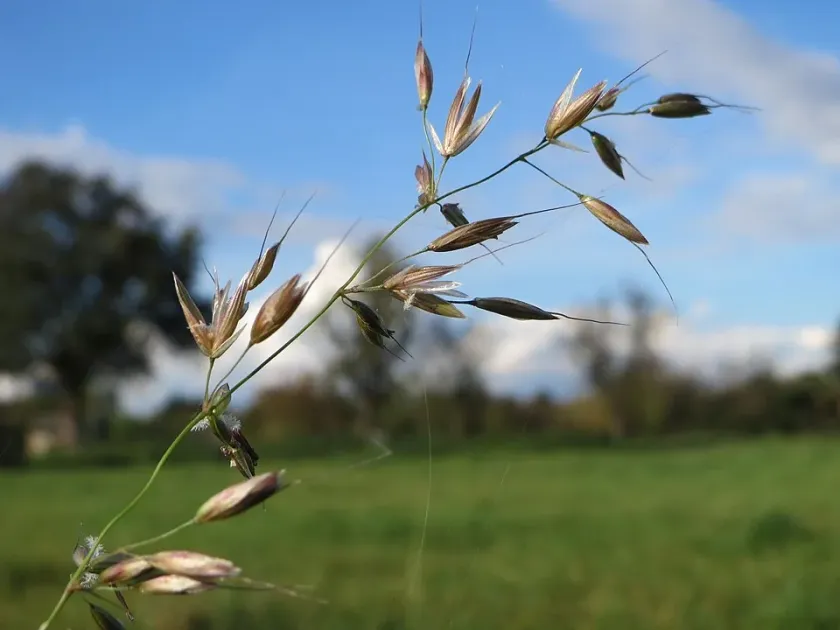
Botanically, it features a loose, open panicle structure and narrow, drought-resistant leaves. These features help the plant regulate its water loss through transpiration, making it an excellent candidate for the restoration of degraded grasslands in arid zones.
Environmental requirements include full sun exposure and a preference for soils with low organic matter, which are typical of the native rocky habitats of the region. It shows high resilience to high temperature fluctuations, common in its natural range.
Agricultural use of Palestine ryegrass is focused on its role as a hardy pasture plant. It is capable of recovering quickly after light grazing, maintaining its productivity throughout the growing season if soil nutrient levels are adequate.
Harvesting
Palestine ryegrass is primarily utilized for livestock grazing. It is known for its ability to withstand grazing pressure, although rotational grazing systems are recommended to allow the plant to replenish its carbohydrate reserves in the root system.
For hay production, the crop should be mowed at the onset of the flowering stage. At this developmental phase, the concentration of proteins and essential minerals is at its peak, ensuring high nutritional value for ruminants.
Drying the harvested biomass in sunny conditions is generally straightforward due to the low ambient humidity in the plant’s primary cultivation regions. Rapid drying helps preserve the green color and nutrient content of the hay.
The yield of green biomass depends heavily on the climatic conditions and the intensity of the grazing regime. With proper soil moisture management or limited irrigation, it is possible to achieve high biomass production throughout the spring and early summer months.
Maintenance of the pasture requires avoiding overgrazing during the peak heat of summer. Protecting the plant crown during these periods ensures its persistence over multiple years, providing a reliable source of green forage in difficult environmental conditions.