
Arrhenatherum album
Arrhenatherum album
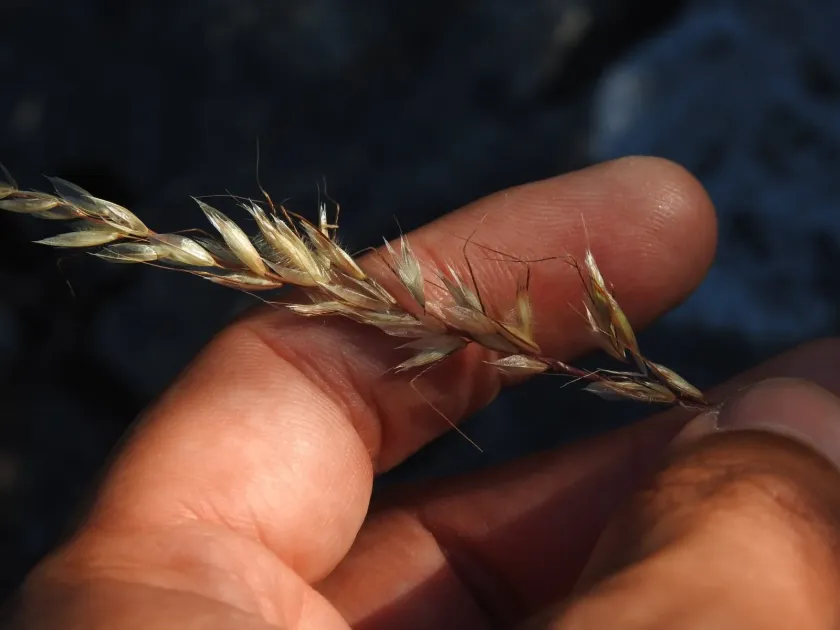
Description
Sowing dates
Arrhenatherum album, a member of the Poaceae family, is typically established through direct seeding. Sowing is best performed in early spring when soil moisture levels are sufficient to trigger germination and provide early root support.
The optimal seeding depth is shallow, ranging from 1 to 2 centimeters. Because the seeds are relatively small, careful calibration of the seed drill is necessary to ensure consistent distribution and avoid burying the seed too deeply in the soil.
Standard seeding rates range from 12 to 16 kilograms per hectare, depending on soil fertility and the purity of the seed batch. Mixing with legumes can enhance the overall nutritional profile of the resulting pasture or hayfield.
A well-prepared seedbed is essential for successful establishment. Eliminating perennial weeds prior to sowing reduces competition during the initial growth phase, which is critical for long-term stand density.
Post-sowing rolling is highly recommended to improve soil-to-seed contact. Proper moisture management during the first few weeks after planting significantly increases the success rate of the stand establishment.
Growing requirements
This grass species is adapted to temperate climates, showing good resilience to varying environmental conditions. While it thrives in moist, temperate regions, it possesses a notable degree of drought tolerance compared to other forage grasses.
Soil requirements include well-drained loams or sandy-loam soils. Arrhenatherum album does not tolerate waterlogged conditions, which can lead to root rot and significant thinning of the grass stand over time.
A soil pH between 6.0 and 7.0 is ideal for optimal nutrient uptake. If soil tests indicate acidic conditions, applying lime prior to sowing is an effective way to improve the performance and longevity of the crop.
Sunlight exposure is a major factor in biomass production. Arrhenatherum album is a sun-loving plant; therefore, it should be planted in open areas away from dense tree lines or heavy shading to maintain healthy growth rates.
Regular fertilization with nitrogen, phosphorus, and potassium is necessary to sustain high yields over multiple years. Nitrogen application in early spring encourages rapid vegetative growth, while phosphorus aids in strong root development.
Yield
The yield potential of Arrhenatherum album is considered high under good management practices. It is capable of producing multiple cuts within a single growing season, provided that moisture and nutrient conditions remain adequate.
Typically, dry matter yields range from 4 to 7 tonnes per hectare annually. The quantity and quality of the biomass are highly dependent on the fertilization regime and the frequency of harvesting performed throughout the year.
Productivity peaks during the second and third years of the stand's life. Effective management, including rotational grazing or balanced mowing schedules, ensures that the stand remains productive for several years before needing renewal.
Harvesting at the correct phenological stage is crucial for balancing yield and feed quality. Delaying the harvest leads to an increase in biomass but a decline in protein content and digestibility, reducing the overall feeding value.
By implementing a systematic approach to soil nutrition and harvest timing, farmers can significantly improve the return on investment for this forage grass. Sustainable management prevents degradation of the grassland.
Main diseases and pests
Fungal diseases, such as various types of rust and powdery mildew, represent the most common biological threat. High humidity and poor air circulation within the canopy are primary factors that accelerate the spread of these pathogens.
Insect pests like grass flies and stem borers can cause localized damage. Integrated pest management, which includes regular monitoring and the use of resistant varieties, is the best approach to control these threats.
Winter injury can occur in regions with severe frosts and minimal snow cover. While the species is relatively hardy, prolonged exposure to extreme freezing temperatures can damage the root crowns, especially in young stands.
Weed encroachment is a consistent challenge, particularly in stands that have become thin. Maintaining a high density through proper fertilization is the primary cultural method to suppress competitive weed growth.
Proper sanitation and the use of certified, disease-free seed are essential to minimize the risk of introducing new pests or pathogens to the farm, ensuring the longevity and health of the forage stand.
Harvesting
The ideal time to harvest for high-quality hay is when the plants reach the early boot stage. This ensures a high concentration of nutrients before the plant shifts energy into seed production and fiber synthesis.
Using modern mower-conditioners allows for faster drying of the cut grass, which is critical for maintaining color and nutritional quality. Rapid moisture reduction helps prevent nutrient loss during the curing process.
Baling should only take place when the moisture content of the hay drops to safe levels, typically below 17%. Improperly dried hay can lead to internal heating and the risk of fire or mold growth during storage.
If managed as a pasture, the grass should be grazed to a residual height of 5–7 centimeters. This preserves the basal nodes and allows for a quicker recovery period for the next grazing cycle.
The final harvest of the season should be carefully timed to allow the plants to replenish carbohydrate reserves in the roots. This preparation period is vital for surviving the winter dormancy and ensuring vigorous spring growth.