
Thrift (Armeria pseudarmeria)
Armeria pseudarmeria (Murray) Mansf.
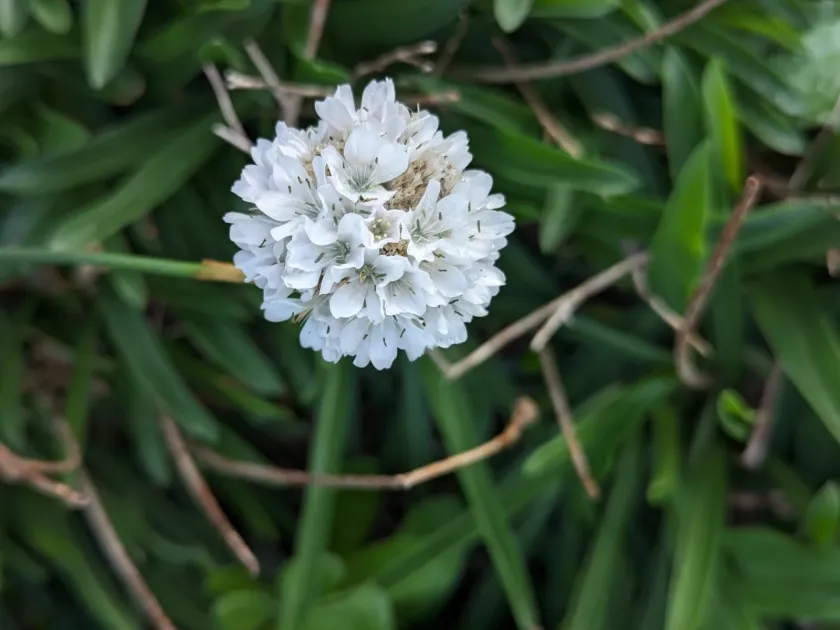
Description
Sowing dates
Sowing Armeria pseudarmeria seeds directly into the soil is typically performed in late autumn or early spring to allow natural chilling processes.
For indoor propagation, sowing begins in late winter, keeping the containers in a bright location at temperatures around 18 to 20 degrees Celsius.
The seeds possess a dormant phase, and cold stratification for at least 30 days is a standard agronomical practice to ensure uniform germination rates.
When sowing, cover the seeds with a very thin layer of vermiculite or fine soil, as they require access to light to trigger the germination process.
Seedlings should be thinned or transplanted into individual pots once they reach a size that allows for safe handling of their sensitive roots.
Growing requirements
Armeria pseudarmeria belongs to the Plumbaginaceae family and originates from the coastal regions of Portugal, reflecting its high ecological plasticity.
The crop thrives in full sun and requires well-draining, sandy, or rocky soil types to mimic its natural maritime cliff-dwelling environment.
It is sensitive to soil chemistry and performs poorly in high-calcium or alkaline environments, preferring a neutral to slightly acidic pH range.
Maintenance involves routine deadheading of spent flower stalks, which is essential for prolonging the blooming season and maintaining plant vigor.
Watering must be managed carefully, as the species is highly drought-tolerant and performs significantly better under slightly dry conditions.
Main diseases and pests
The primary agronomic threat to this species is root rot caused by poor soil drainage and waterlogging, which weakens the root system.
Fungal pathogens such as mildew or gray mold may appear if the air circulation around the basal leaf rosettes is restricted by overcrowding.
Pests, specifically aphids or spider mites, can occasionally affect the plant in dry climates, necessitating integrated pest management approaches.
Preventative measures include spacing plants adequately and ensuring that the foliage remains dry during the irrigation process.
- Maintain proper spacing between plants for airflow.
- Use mineral-based fertilizers sparingly to avoid soft growth.
- Monitor for early signs of fungal spotting on the foliage.