
Armeria alliacea
Armeria alliacea (Cav.) Hoffmanns. & Link
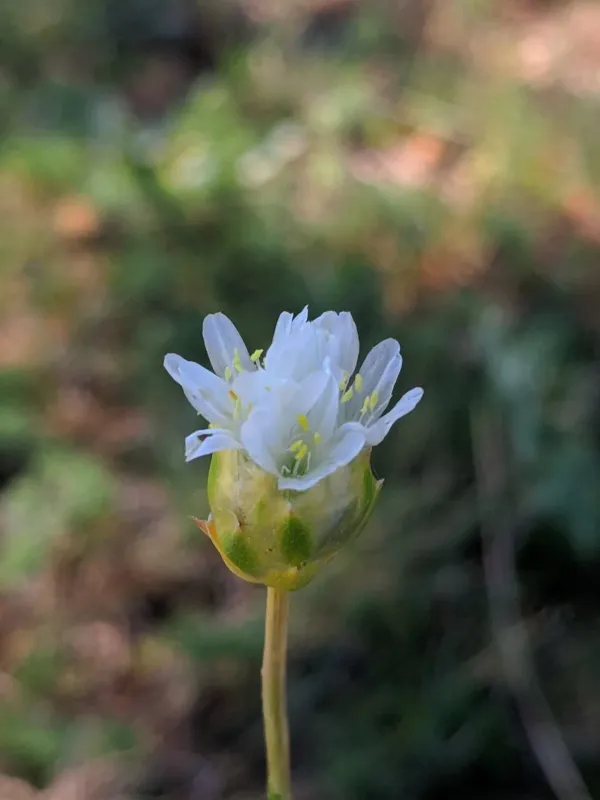
Description
Sowing dates
Armeria alliacea, commonly known as the onion-leaved thrift, belongs to the Plumbaginaceae family. Seeds are typically sown in early spring or autumn directly into the open ground or starting trays for better control over germination.
For optimal results, seeds require a stratification period of approximately three weeks in a cold environment. This pretreatment breaks dormancy and ensures a higher success rate when moving the seedlings to their permanent spot.
Seedlings should be pricked out into individual pots once they develop at least two true leaves. This allows the root system to strengthen before being transplanted into the garden during the late spring season.
Spacing is essential for the healthy growth of Armeria alliacea, with each plant requiring at least 20 to 30 centimeters of area. This prevents competition for resources and ensures proper airflow around the basal leaves.
Division of mature clumps is another effective propagation method. It is best performed during the cooler months of early spring or late summer, allowing the plant to re-establish before the peak heat or frost arrives.
Growing requirements
This species thrives in full sun exposure. While it can tolerate partial shade, insufficient sunlight often results in weak, spindly growth and a significant reduction in the quantity of flowers produced.
Soil requirements are relatively simple: the substrate must be well-drained and slightly gritty or sandy. Armeria alliacea performs poorly in heavy, clay-based soils that retain moisture for too long.
The plant is highly drought-tolerant once established. Watering should be moderate, focusing on the root zone rather than the foliage, especially in climates with high humidity, to prevent fungal development.
Armeria alliacea exhibits great cold hardiness, adapting well to various temperature fluctuations. In regions with harsh winters, providing a light mulch layer helps protect the crown from freezing temperatures.
Fertilization is rarely necessary. In fact, excessively fertile soil can be detrimental, encouraging leafy growth at the expense of its characteristic, globe-shaped inflorescences.
Main diseases and pests
Root rot is the most common issue, usually triggered by excessive irrigation or improper soil drainage. Ensuring that the soil is aerated and not waterlogged is the primary defense against this condition.
Foliar diseases, including different types of leaf spots, can manifest during wet and humid summers. Applying organic or chemical fungicides can help manage these outbreaks and protect the overall health of the garden.
Aphids occasionally infest the flower stalks, causing distortion and weakening the plant. Regular inspection during the budding phase allows for timely intervention using insecticidal soap or mild contact sprays.
Nematode infestations can lead to stunted growth and yellowing of the foliage. Avoiding soil compaction and practicing good garden hygiene are essential preventative measures against these microscopic pests.
Maintaining a tidy growing environment by removing dead leaves and weeds minimizes the potential habitat for pests and pathogens, keeping the Armeria healthy throughout the growing season.
Harvesting
Armeria alliacea is primarily valued for its ornamental contribution to rock gardens, border edging, and alpine displays. Its bloom period usually peaks in early to mid-summer, providing a long-lasting floral show.
Deadheading spent flowers is a recommended practice to improve the plant's appearance. Removing these stalks prevents the plant from diverting its energy toward seed production and may encourage a second flush of blooms.
If seeds are intended for future planting, they should be collected on a dry day as soon as the capsules appear brown and brittle. Proper storage in a cool, dry place preserves viability for the next season.
The flower stems serve as excellent materials for floral arrangements. They retain their shape well and, if dried correctly in the shade, can provide interest in decorative dried bouquets.
Preparation for winter involves removing dry stalks and debris to keep the central rosette healthy. With minimal but consistent care, Armeria alliacea remains a reliable and attractive perennial in the landscape.