
Armeria splendens
Armeria splendens (Lag. & Rodr.) Webb
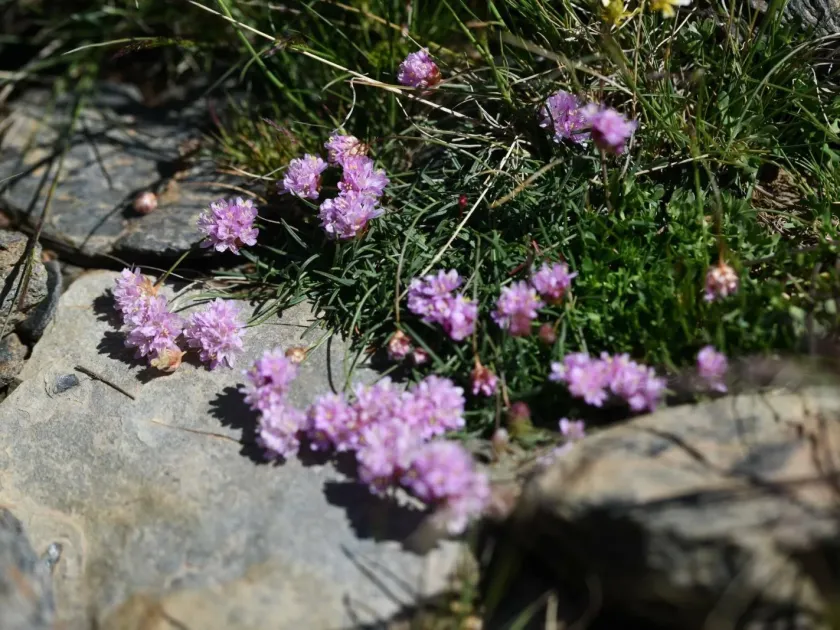
Description
Sowing dates
Sowing seeds of Armeria splendens is best done in early spring, specifically in April or May, when the soil starts to warm up. Fall sowing is also an option for areas with mild winters.
For container-grown seedlings, start indoors in February or March. Providing consistent warmth around 18–20 degrees Celsius is essential for successful germination of the seeds.
Stratification is a recommended technique for Armeria seeds. Placing the seeds in a cool environment for three to four weeks prior to sowing mimics natural conditions and boosts germination.
Once seedlings develop two true leaves, they should be pricked out into individual small pots. This prevents overcrowding and helps establish a strong root system before planting outside.
Hardening off the seedlings is a necessary step before moving them to a permanent spot in the garden. Gradually expose them to outdoor conditions over a week to ensure survival.
Growing requirements
Armeria splendens requires a sunny location to thrive. It is an ideal candidate for rock gardens, where it can enjoy direct sunlight and well-draining soil conditions throughout the day.
The soil should be sandy or gravelly, with excellent drainage. Poorly draining soil or heavy clay can lead to waterlogging, which the root system of this species cannot tolerate.
The preferred soil pH for Armeria is slightly acidic to neutral. Growers should avoid using lime or high-alkaline amendments, as these can inhibit nutrient uptake and plant health.
Watering should be moderate. While the plant is quite drought-tolerant once established, providing regular water during the peak blooming season helps maintain vibrant flower color.
Maintenance involves routine deadheading. Removing spent flower stems encourages the plant to direct its energy into root development and potentially a second round of flowering.
Main diseases and pests
Root rot is the most serious threat to Armeria splendens, typically caused by excessive soil moisture or insufficient drainage. Once established, it is difficult to treat, so prevention is key.
Aphids can be a common pest, particularly in the spring when new growth appears. They can stunt development and spread viral diseases if their population goes unchecked.
Regular monitoring of the foliage for sticky residue or discolored leaves can help catch pest issues early. If necessary, use insecticidal soaps to manage the infestation effectively.
Fungal leaf spot diseases may occur in humid environments. To mitigate this risk, ensure proper spacing between plants to allow for adequate air circulation and rapid evaporation.
It is important to keep the crown of the plant clean of debris. Accumulated organic matter around the base can trap moisture and create a breeding ground for harmful pathogens.