
Nanorrhinum sagittatum
Nanorrhinum sagittatum
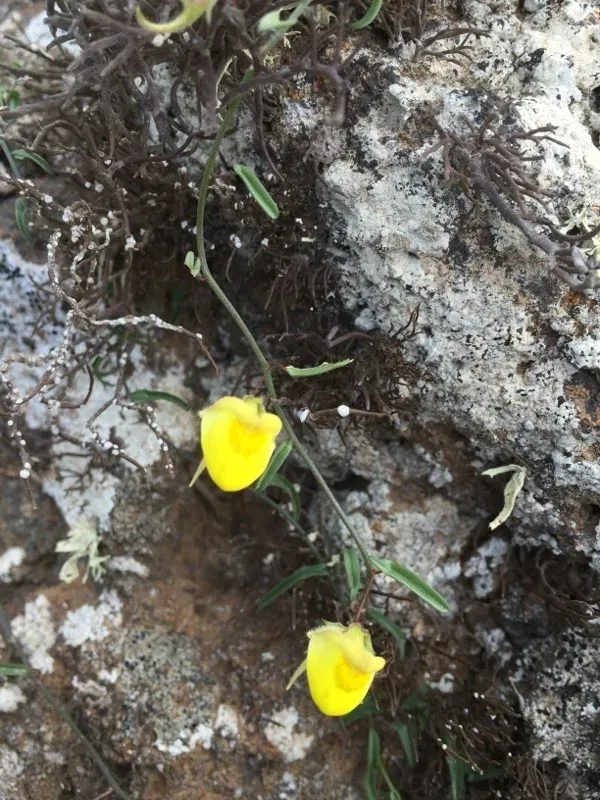
Description
Growing requirements
Nanorrhinum sagittatum is a flowering plant species classified within the Plantaginaceae family. Originally associated with the genus Linaria, this species has been reclassified to better reflect its distinct evolutionary traits and ecological adaptation mechanisms.
The plant is native to arid and semi-arid regions of the Middle East and Central Asia. Its natural distribution demonstrates an evolutionary focus on surviving in environments characterized by high solar radiation, irregular precipitation, and nutrient-poor, stony substrates.
Botanically, the species is defined by its characteristic sagittate leaves. The structure of the plant enables efficient transpiration control, allowing it to maintain metabolic activity under conditions that would cause severe stress to most traditional field crops.
When considering soil requirements, Nanorrhinum sagittatum thrives in well-drained, porous soils. It shows a remarkable tolerance for alkalinity and low organic matter content, making it a potential candidate for land restoration projects in desertified agricultural areas.
In terms of climate management, the crop requires an environment with significant thermal resources and minimal humidity. High atmospheric humidity during the growth cycle is detrimental to the plant, as it often promotes fungal infections of the leaf tissue and weakens the structural integrity of the stems.