
Angelonia hybrids
Angelonia hybrids
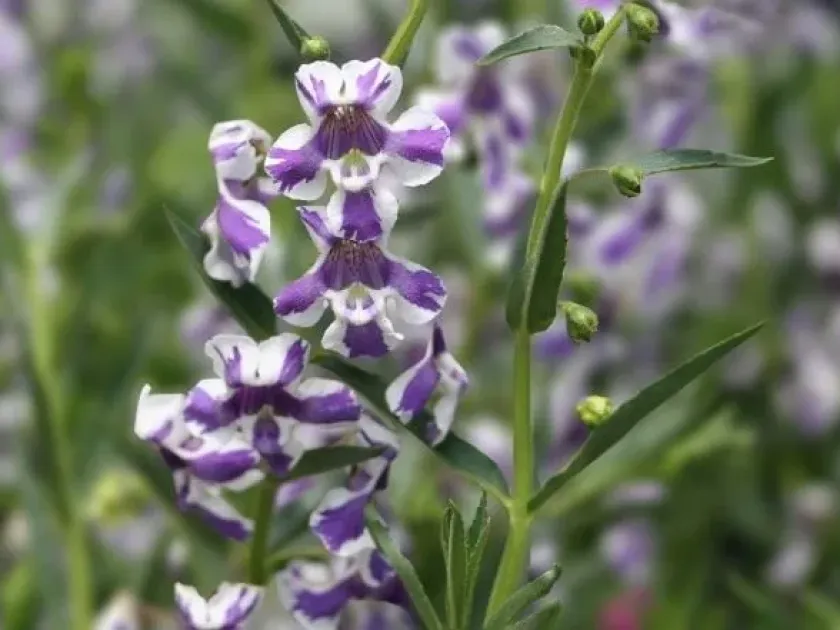
Description
Sowing dates
Angelonia hybrids are typically started from seeds indoors in late winter to ensure they are well-established by the time the weather warms up in late spring.
The seeds require light for germination and should be sown on the surface of a moist, high-quality seedling mix without being covered by soil.
Maintain temperatures between 22 and 24 degrees Celsius to encourage germination. A cover or dome can be used to keep humidity levels consistent until the first true leaves appear.
Once seedlings have several sets of true leaves, they should be transplanted into individual pots to allow the root systems to develop without competition.
Hardening off is a critical step before moving the plants outdoors. Expose the seedlings to increasing periods of outdoor air over a week to prevent transplant shock.
Growing requirements
Angelonia, part of the Plantaginaceae family, thrives in warm climates and is often called the summer snapdragon due to its similar appearance and heat tolerance.
The plants perform best in full sun, which promotes dense growth and prolific flowering. Partial shade is tolerable but will likely result in fewer flowers and leggier stems.
Well-draining soil is essential for the health of Angelonia. It is adaptable to various soil types, but it struggles in heavy clay soils that retain excessive moisture.
Watering should be consistent; while the plant is drought-tolerant once established, it prefers slightly moist soil during its peak growing season to maintain vigour.
Fertilizing with a balanced liquid fertilizer every few weeks throughout the summer will encourage continuous blooming and help the plant maintain its bushy shape.
Main diseases and pests
The primary concern for Angelonia growers is root rot, which typically stems from overwatering or inadequate soil drainage in beds or containers.
Powdery mildew is a common fungal issue that can appear during periods of high humidity. Improving air circulation around the plants is the best preventative measure.
Aphids and whiteflies are the most common insect pests. These pests can be effectively managed with insecticidal soap or neem oil applications when detected.
Stunted growth or yellowing leaves can sometimes indicate nutrient deficiencies or poor drainage, requiring a review of the soil's pH and irrigation practices.
Maintaining a clean growing environment by removing dead or dying foliage prevents the spread of diseases and discourages pest infestations in the flower bed.
Harvesting
Angelonia hybrids are highly valued in landscape design as bedding plants that provide height and structural interest throughout the long summer season.
These plants make excellent cut flowers. Stems cut for vases can last up to two weeks, provided the water is changed regularly and lower leaves are removed.
Deadheading is highly beneficial for the plant's aesthetic and vitality. Removing faded flowers prevents seed set and encourages the plant to produce new spikes.
In garden settings, Angelonia is often paired with other heat-loving annuals to create layered designs that are both drought-resistant and visually appealing.
While often treated as an annual, gardeners in frost-free areas may cultivate them as short-lived perennials, or bring containers indoors during the cooler winter months.