
Angelonia salicariifolia
Angelonia salicariifolia
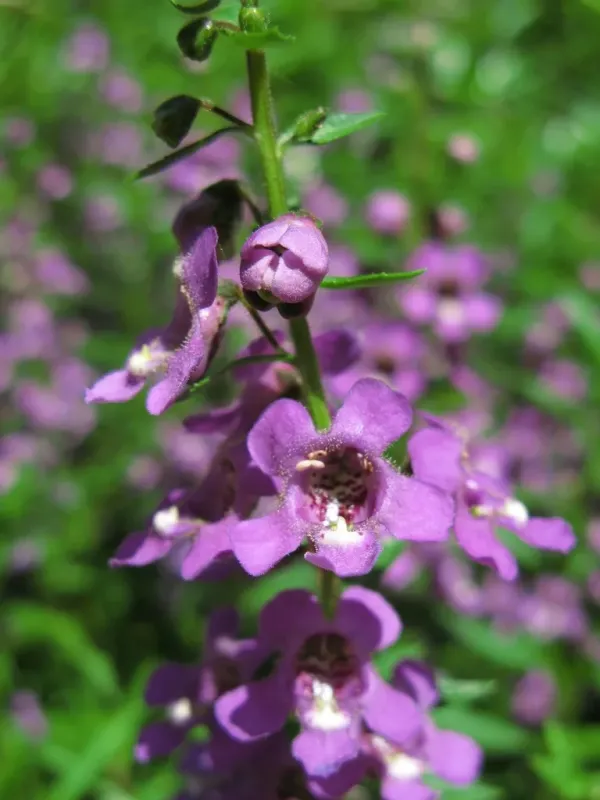
Description
Sowing dates
Angelonia salicariifolia is best propagated through seeds started in controlled environments. Sowing should begin in late winter, approximately 8–10 weeks before the expected date of the last frost in the spring.
The seeds are very small and require light for germination, meaning they should not be buried deeply in the growing medium. Pressing them lightly into the moist surface is sufficient to initiate the process.
Temperature control is critical during the initial growth phase, with an ideal range of 22–25 degrees Celsius. Using a propagation mat can significantly increase the uniformity and speed of germination.
Seedlings need to be transplanted into individual pots once the first true leaves emerge. Providing ample space is necessary to ensure strong root development and to prevent the seedlings from becoming leggy.
Acclimatization of the plants before moving them outdoors is essential. A gradual transition period helps the plants adapt to environmental fluctuations, ensuring better survival rates upon transplantation.
Growing requirements
Belonging to the Plantaginaceae family, Angelonia salicariifolia is a tropical perennial often treated as an annual in temperate agricultural zones. It is highly valued for its striking, snapdragon-like flower spikes.
The plant thrives in fertile, well-draining soil with a pH ranging from slightly acidic to neutral. High-quality soil structure is paramount, as the plant is notoriously sensitive to waterlogged conditions.
Full sun exposure is the optimal requirement for this species. When planted in areas receiving at least six to eight hours of direct sunlight, the plants produce more robust stems and more abundant blooms.
Consistent moisture is needed for healthy development. While established plants are somewhat drought-tolerant, regular and deep watering during the peak growing season ensures the most vigorous display.
Nutrient management involves regular application of balanced fertilizers throughout the flowering season. Fertilizing every two weeks promotes continuous blooming and strengthens the plant's overall health.
Main diseases and pests
Common fungal diseases such as powdery mildew are the most prevalent issues for this crop, especially in areas with stagnant air and high humidity. Proper spacing is necessary to improve airflow.
Root rot is the primary physiological threat caused by overwatering or poor soil drainage. Maintaining a proper watering regime is the best preventative strategy against these types of soil-borne pathogens.
Aphids can cause significant damage by feeding on tender shoot tips, often leading to leaf curling and stunted growth. Monitoring the plants regularly allows for early intervention before populations spike.
Whiteflies are another common concern, particularly in greenhouse cultivation. Using sticky traps and biological control agents can help keep these pest populations under manageable thresholds.
Spider mites are frequently encountered during hot and dry spells. Increasing the humidity around the plants and using appropriate acaricides are effective methods to mitigate potential outbreaks.