
Uapaca
Uapaca
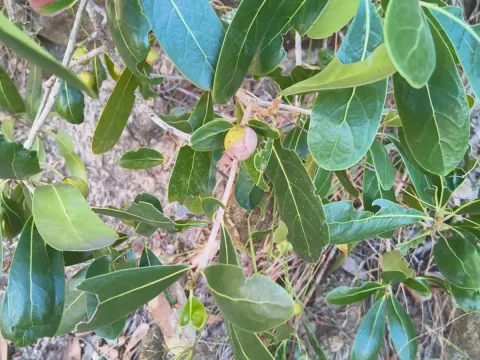
Uapaca is a genus of trees belonging to the Phyllanthaceae family. These plants are evergreen or deciduous trees native to the tropical forests and savannahs of Africa and Madagascar.
What the section contains


Uapaca
The plant prefers tropical climates characterized by a distinct rainy season followed by a resting period. The optimal temperature for active growth ranges between +22 and +30 degrees Celsius, and the species is sensitive to severe frost.
Soil preferences for Uapaca include well-drained, acidic to neutral soils. While they adapt well to nutrient-poor soils, the trees show significantly better growth performance on deep loams rich in organic matter.
In terms of agricultural techniques, maintaining adequate moisture is critical during the first few years of a seedling's life. Mature trees exhibit moderate drought tolerance, allowing them to survive short dry spells.
Uapaca trees are known for their slow growth rate, requiring long-term planning when establishing plantations. Planting density varies by species and cultivation goals, typically ranging from 200 to 400 trees per hectare.
The fruits of Uapaca, commonly known as "sugar plums," are a significant food source for local communities. Yield depends on the tree's age and environmental conditions, with peak production typically reached after 8 to 10 years.
Agricultural and economic use includes fresh consumption as well as industrial processing. The pulp is often used to produce jams, juices, wine, and fermented alcoholic beverages popular throughout Central and Southern Africa.
Beyond fruit production, the wood of certain Uapaca species is highly valued in the furniture and construction industries. It is known for its durability and natural resistance to rot and insect infestations.
Traditional medicine utilizes the leaves and roots of the plant for various ailments, including inflammatory conditions. This adds value to the crop as a potential resource for the pharmaceutical industry.
The general economic importance of Uapaca lies in its suitability for agroforestry systems, which help prevent soil erosion and conserve biodiversity in various African regions.
Like most tropical fruit crops, Uapaca is susceptible to specific pests native to its region of origin. The most significant damage is often caused by insect larvae that attack ripening fruit.
Fungal diseases occurring in high-humidity conditions can affect the foliage and young shoots. Regular sanitary pruning and ensuring adequate air circulation are essential preventive measures.
Root diseases are frequently caused by waterlogging, making proper drainage management on the plantation a critical aspect of plant health. Stressed trees are more prone to infection, highlighting the need for balanced fertilization.
Pests such as weevils can compromise the marketability of the harvest. Biological control methods, such as encouraging natural predators, are the most recommended practices for sustainable cultivation.
Integrated pest management also includes effective weed control within the drip line of the trees. Weeds can act as intermediate hosts for various pathogens, necessitating their regular removal to maintain orchard hygiene.