
Uapaca heudelotii
Uapaca heudelotii
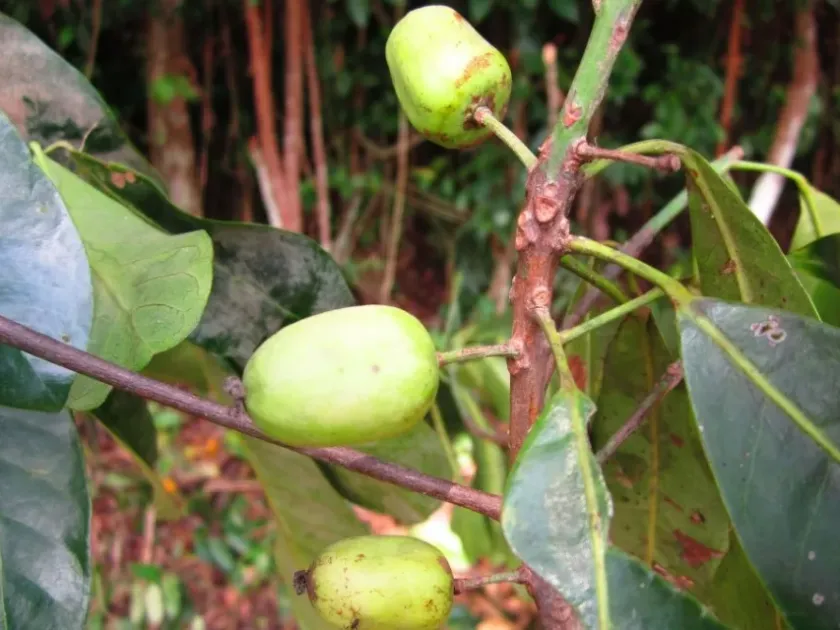
Description
Growing requirements
Uapaca heudelotii is an evergreen tree species belonging to the Phyllanthaceae family. It is native to the swampy regions and gallery forests of Western and Central Africa, where it plays a vital role in riverine ecosystems.
This species is highly adapted to hydrophytic conditions. It thrives in soils that are frequently waterlogged, making it a critical component of habitats with high water tables or seasonal inundation areas.
Botanically, the tree is recognized by its distinctive stilt roots. These specialized root systems provide mechanical support in unstable, water-saturated soils and allow the tree to survive in environments where others would succumb to root rot.
The plant requires deep, nutrient-rich alluvial soils. It flourishes in tropical climates where high ambient humidity and year-round high temperatures ensure consistent metabolic activity.
The canopy of Uapaca heudelotii is dense and provides shade, which is essential for preserving the moisture levels of the forest floor, thereby supporting the growth of its own seedlings and other forest understory species.
Yield
The fruits of this tree are edible and represent an important food source for local communities. They are typically harvested during the peak ripening season, contributing significantly to local dietary diversity.
The timber of Uapaca heudelotii is valued for its durability, particularly in wet environments. It is frequently utilized in the construction of rural infrastructure, such as bridges and traditional housing, due to its resistance to moisture.
Medicinal applications of the bark and leaves are common in traditional healing. Practitioners utilize various extracts for their perceived anti-inflammatory and antiseptic effects on various physical ailments.
Yield capacity is largely determined by local hydrological conditions. Trees positioned closer to water sources generally exhibit better growth rates and higher fruit production compared to those in drier zones.
Agroforestry initiatives often incorporate this species to prevent soil erosion along riverbanks. This dual-purpose management strategy enhances both ecological stability and economic return through sustained resource harvest.