
Uapaca kirkiana
Uapaca kirkiana
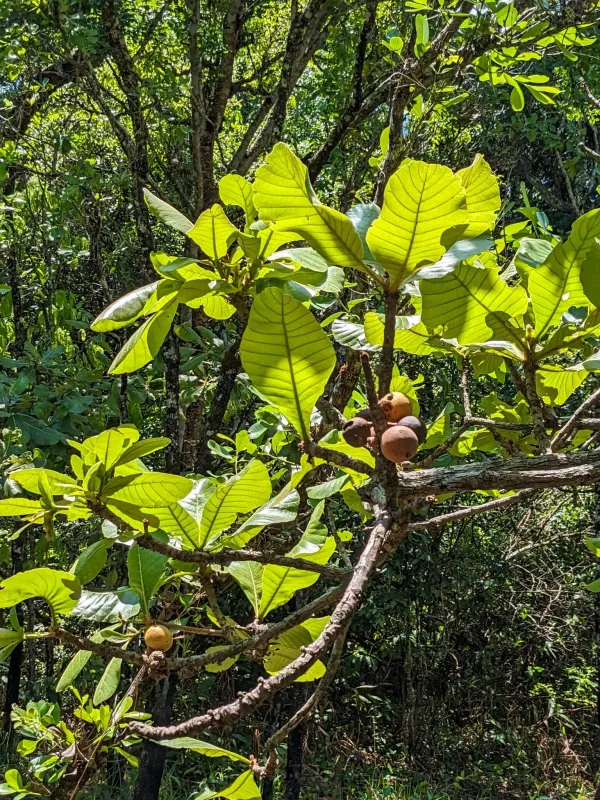
Description
Sowing dates
Propagation of Uapaca kirkiana is primarily achieved through seeds. The seeds possess a natural dormancy period; therefore, mechanical scarification or soaking is often required to improve germination rates significantly.
The optimal time for sowing corresponds with the start of the rainy season. This timing ensures that the soil moisture remains consistent, providing the necessary conditions for robust root development during the early stages of growth.
In nursery settings, a well-draining substrate enriched with organic matter is recommended. Excessive moisture retention must be avoided, as Uapaca kirkiana is highly susceptible to root rot caused by stagnant water.
Temperature control is essential, with an ideal range of 25–30 degrees Celsius. Maintaining stable conditions helps in achieving uniform seedling growth and reduces the risk of fungal infections in the seedbed.
Modern agronomic practices now emphasize the use of grafting techniques. By grafting mature scions onto seedling rootstocks, farmers can preserve desired fruit traits and significantly shorten the pre-bearing period of the trees.
Growing requirements
Uapaca kirkiana is a member of the Phyllanthaceae family and is native to the miombo woodlands and savannahs of tropical Africa. It is well-adapted to environments with distinct wet and dry seasons.
The species prefers well-drained, acidic to neutral soils. Heavy clay soils that are prone to waterlogging should be avoided, as the plant’s root system requires good aeration to thrive and maintain health.
Light availability is a critical factor for the healthy development of this tree. It thrives in full sunlight, which promotes a denser canopy and better production of flowers and fruit throughout the growing season.
As a drought-tolerant species, Uapaca kirkiana can withstand extended periods without rainfall. This adaptability makes it a valuable candidate for reforestation and agroforestry initiatives in arid and semi-arid regions.
The tree typically grows at altitudes between 500 and 2000 meters. Exposure to extreme cold or frost should be avoided, as it can hinder the tree’s development and cause severe damage to foliage and young branches.
Yield
Trees typically begin to bear fruit between 5 and 8 years after being planted. Yield potential increases as the tree matures, with the most significant harvest periods occurring between the 15th and 20th years of the tree's life.
The fruit, locally known as "masuku" or sugar plum, is a fleshy drupe that is highly valued for its sweet, nutritious pulp. It contains various vitamins and minerals, serving as an important dietary supplement.
Harvesting requires careful management because the fruits drop quickly once they reach full maturity. Frequent collection is necessary to prevent fruit loss and ensure the best quality for market distribution.
Beyond human consumption, the fruit is widely processed into juices, jams, and traditional fermented beverages. This processing adds significant economic value and creates jobs in rural agricultural communities.
The wood of Uapaca kirkiana is also prized for its durability and resistance to rot, providing an additional source of income for farmers who manage these trees as part of their integrated land-use systems.
Main diseases and pests
Fungal pathogens represent the most significant threat to the tree, particularly when cultivated in poorly drained soils. Managing soil moisture is the primary preventative measure for ensuring tree health.
Fruit flies and various boring insects can impact fruit quality and total yields. Integrated pest management strategies, such as orchard sanitation and the collection of fallen fruit, are recommended to mitigate these risks.
Weed competition can severely stunt the growth of young trees. Regular manual weeding or the application of organic mulch around the tree base helps conserve soil moisture and suppresses weed development.
Fire is a major hazard in the savannah ecosystems where this tree originates. Protecting young plantations from wildfires through the creation of firebreaks is essential for the long-term survival of the trees.
Although the tree is generally hardy, periodic monitoring for signs of infestation by defoliating insects is recommended to prevent localized outbreaks that could weaken the tree canopy.