
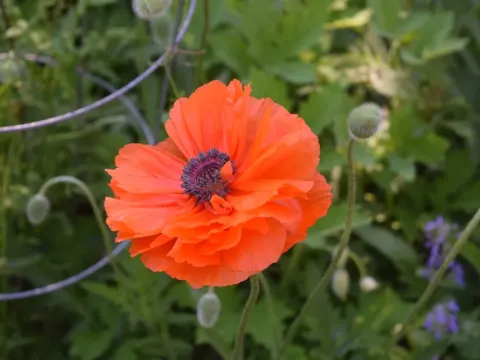
Brick-red poppy
Papaver lateritium
The brick-red poppy, botanically classified as Papaver lateritium, is a perennial flowering species belonging to the Papaveraceae family, highly valued for its elegant appearance.
What the section contains
Brick-red poppy
Sowing should ideally occur in early spring or during the autumn months, allowing the seeds to undergo natural stratification, which improves overall germination rates.
The seeds are exceptionally small and must be sown on the surface of the soil, requiring sunlight for successful germination, so avoid covering them with a thick layer of substrate.
For optimal results, maintain a spacing of at least 30 centimeters between individual plants to ensure proper airflow and prevent excessive moisture accumulation.
While direct sowing is preferred due to the plant's sensitivity to root disturbance, starting in biodegradable pots is an option if professional care is taken during transplanting.
As a native of high-altitude mountain environments, this species thrives best in temperate climates with cooler air and moderate temperatures.
Choose a planting location with full sun exposure, although the plant will tolerate partial shade in regions experiencing extremely intense summer heat.
Well-draining soil is the most critical requirement for long-term health, as this species is highly susceptible to root damage caused by waterlogged ground.
The ideal soil profile is fertile, loose, and slightly acidic to neutral in pH, providing enough minerals to support multiple flushes of vibrant brick-red blooms.
Once established, the plant demonstrates good drought tolerance thanks to its deep taproot system, making it suitable for low-maintenance garden designs.
The primary threats to Papaver lateritium are fungal diseases that proliferate in humid environments or when the soil remains constantly wet for extended periods.
Powdery mildew often appears as a white, dusty layer on the foliage, significantly reducing the vigor of the plant if left untreated during the growing season.
Root rot is a common issue caused by poor drainage, often leading to sudden wilting and the total loss of the perennial root structure in compacted soil.
Common insect pests include aphids and spider mites, which congregate on the underside of leaves and developing buds to feed on plant sap.
Regular monitoring and prompt intervention using organic-friendly fungicides or insecticidal soaps can successfully manage these threats and maintain garden health.