
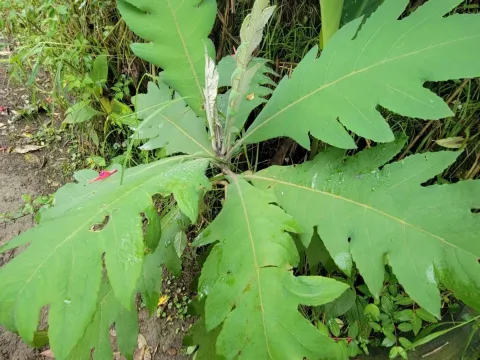
Bocconia
Bocconia
Bocconia, primarily known as plume poppy (Bocconia cordata), is typically propagated by seeds. In temperate climates, sowing seeds directly into the soil during late autumn is common to facilitate natural stratification over the winter period.
What the section contains

Bocconia
For spring sowing, seeds require pre-treatment. Storing seeds in cold conditions at temperatures between 0 and 5 degrees Celsius for about 4 to 6 weeks significantly improves germination rates.
Seeds should be sown at a shallow depth of 0.5 to 1 cm, as they are sensitive to soil density. Keeping the surface consistently moist is essential during the initial germination phase, which usually takes several weeks.
When starting indoors, seeds are planted in trays using a light, well-draining substrate. Maintaining a steady temperature of 18-20 degrees Celsius is recommended for uniform emergence of seedlings.
Transplanting to the final site should occur after the risk of late spring frost has completely passed. Since the plant develops an extensive root system, adequate spacing of at least 60-80 cm between individual plants is necessary.
Bocconia belongs to the Papaveraceae family and is a vigorous perennial herbaceous plant. It thrives in locations that receive full sunlight, although it can tolerate partial shade in hotter, drier regions.
The crop requires fertile, humus-rich soil with good aeration to support its rapid growth. Soils that are slightly alkaline to neutral provide the most favorable environment for biomass accumulation.
Effective drainage is critical for Bocconia. Waterlogged soil, especially during winter months, can quickly lead to root rot and loss of stands. Sites with heavy clay should be amended with organic matter and sand.
The plant is hardy but benefits from a layer of mulch in colder regions to protect its rhizomes from extreme winter temperatures. In spring, cleaning away old debris encourages new, healthy growth.
Maintenance involves routine weeding, especially while the plants are establishing. Once mature, Bocconia creates dense foliage that tends to suppress competing weeds, but its rhizomatous nature makes it aggressive.
The agricultural value of Bocconia lies in the extraction of alkaloids like sanguinarine. Biomass yield peaks when plants are cultivated in nutrient-dense soils with adequate moisture during the growing season.
High yields are typically observed from the second year onwards when the plant establishes a deep, robust root system. Regular nitrogen fertilization can significantly boost vegetative leaf production.
The total yield of the crop is highly dependent on harvest timing. Harvesting should be performed during the peak flowering stage, which ensures the highest concentration of phytochemicals in the aerial parts.
Productivity per hectare is maintained by ensuring the plant has enough space to expand. Overcrowding can lead to lower leaf quality and increased susceptibility to fungal issues within the canopy.
Processing the yield involves quick drying at controlled temperatures to prevent degradation of active compounds. Efficient post-harvest handling is essential to maintaining the market value of the plant material.
Bocconia possesses a strong natural resistance to many pests due to the toxic alkaloids present in its milky sap. This chemical defense makes it a relatively low-maintenance crop regarding traditional pest control.
Root rot remains the primary threat, usually caused by improper soil moisture management. Ensuring a site with excellent natural drainage is the most effective way to mitigate this disease risk.
Powdery mildew can affect the foliage during periods of high humidity and poor air circulation. Thinning out dense stands helps improve ventilation and reduces the likelihood of fungal outbreaks.
Slugs and snails may feed on the tender young shoots during the early spring. Monitoring these areas and using organic bait or barriers can prevent significant damage during the vulnerable early stages.
Maintaining proper hygiene by removing dead plant debris at the end of the season prevents the overwintering of pathogens that could affect the subsequent year’s growth.
Harvesting the aerial biomass is conducted during the main flowering phase. Stems are cut back to approximately 15 cm above the soil surface to allow for recovery and potential secondary growth.
For seed production, flower stalks should be harvested once the seed pods begin to turn brown. They must be dried in ventilated areas to prevent mold from developing within the pods.
Rhizome harvesting is typically performed in late autumn after the foliage has died back. This timing ensures that the plant has stored maximum energy reserves in its root system.
All harvested plant material should be inspected for impurities and damaged sections before processing. This ensures that the final product meets industrial quality standards for pharmaceutical extraction.
Storage requires cool, dry, and dark conditions to prevent the oxidation of the extracted alkaloids. Proper packaging and humidity control are necessary to extend the shelf life of the raw material.