
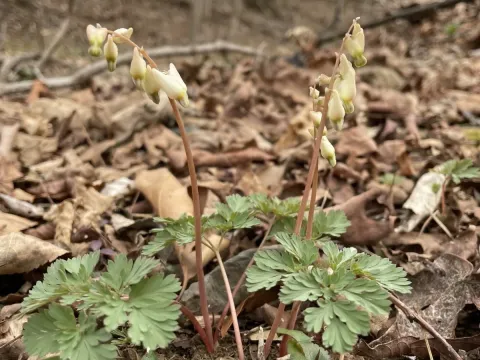
Bleeding heart
Dicentra
Dicentra is a genus of perennial herbaceous plants within the family Papaveraceae. Famous for its distinctive heart-shaped flowers, this plant is a staple in ornamental horticulture, originating from temperate regions of East Asia and North America.
What the section contains


Bleeding heart
The plant thrives in cool, moist, and fertile soil conditions with a neutral to slightly acidic pH level. It performs best in partial shade, although it can tolerate full sun in cooler northern climates, provided the soil moisture is consistently maintained.
Botanically, the species is characterized by feathery, deeply divided foliage and arching stems that carry drooping racemes of delicate flowers. Its root system consists of brittle, tuberous-like rhizomes that require well-draining soil to prevent winter rot.
Proper agronomic maintenance involves regular irrigation during dry spells and a layer of organic mulch to keep the roots cool. Fertilizer application should be focused during the early spring growth phase to promote lush foliage and abundant blooming.
Economically, Dicentra is highly valued in the landscape industry for its unique aesthetic appeal. It is commonly used in woodland gardens, perennial borders, and shaded flower beds, contributing significantly to the biodiversity and beauty of managed gardens.
The primary threats to Dicentra include fungal pathogens such as powdery mildew, Verticillium wilt, and stem rot, often triggered by poor drainage or high humidity. Sanitation of the site, including the removal of dead plant material in autumn, is crucial for disease control.
Pest issues are generally limited but can include aphids, slugs, and snails which target tender foliage. Effective management involves monitoring for early signs of infestation and utilizing Integrated Pest Management (IPM) strategies to maintain the health of the perennial stand.