
Macranthera flammea
Macranthera flammea
Description
Growing requirements
Macranthera flammea, commonly known as the hummingbird flower, belongs to the Scrophulariaceae family. This perennial species is scientifically recognized as a hemiparasite, meaning it derives partial nutrients from the roots of host plants, which is a critical factor for its successful cultivation in garden settings.
The plant is native to the southeastern United States, thriving in moist habitats such as swampy woodlands and riverbanks. It prefers regions with mild winters, as the plant is not frost-hardy and requires consistent soil temperatures to maintain healthy root development throughout the year.
Regarding soil requirements, Macranthera flammea demands a rich, organic substrate with a slightly acidic pH level. Proper drainage is essential; while the plant loves moisture, stagnant water around the roots can lead to fatal infections, making a well-aerated but moist soil mix the ideal medium.
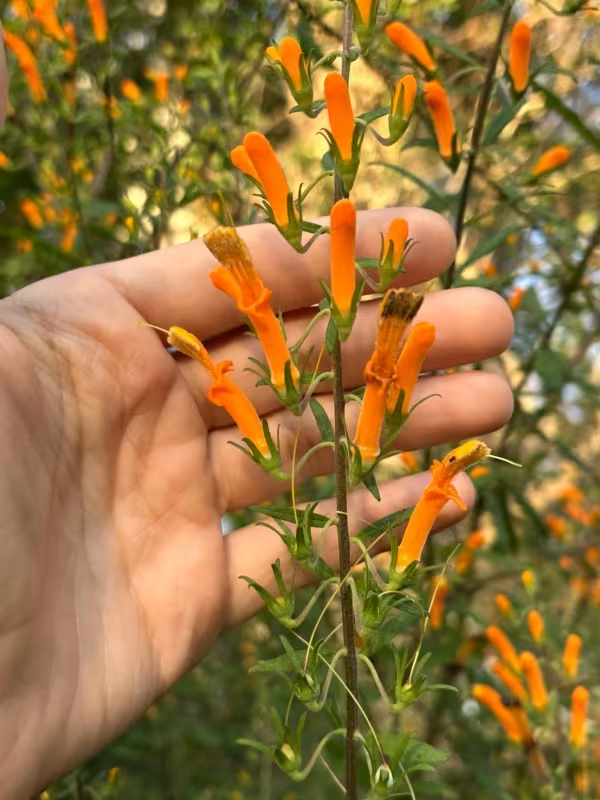
The botanical highlight of this species is its striking, vibrant orange-red tubular flowers. These blooms are highly attractive to local pollinators, especially hummingbirds, which play a major role in the plant's reproductive cycle in its natural environment.
In terms of agricultural use, this plant is primarily valued for its ornamental appeal in specialized botanical gardens. Due to its specific hemiparasitic nature and high environmental demands, it is not grown as a standard crop but remains a prized specimen for collectors and conservation projects.
Main diseases and pests
The main threats to Macranthera flammea include fungal diseases caused by high humidity and poor air circulation. Root rot is a significant risk if the soil becomes compacted or remains waterlogged for extended periods without oxygen exchange.
Common pests include sap-sucking insects like aphids and spider mites, which can weaken the plant by attacking the foliage. Regular monitoring and integrated pest management practices are recommended to protect the health and aesthetic value of the plant.