
Lopezia racemosa
Lopezia racemosa
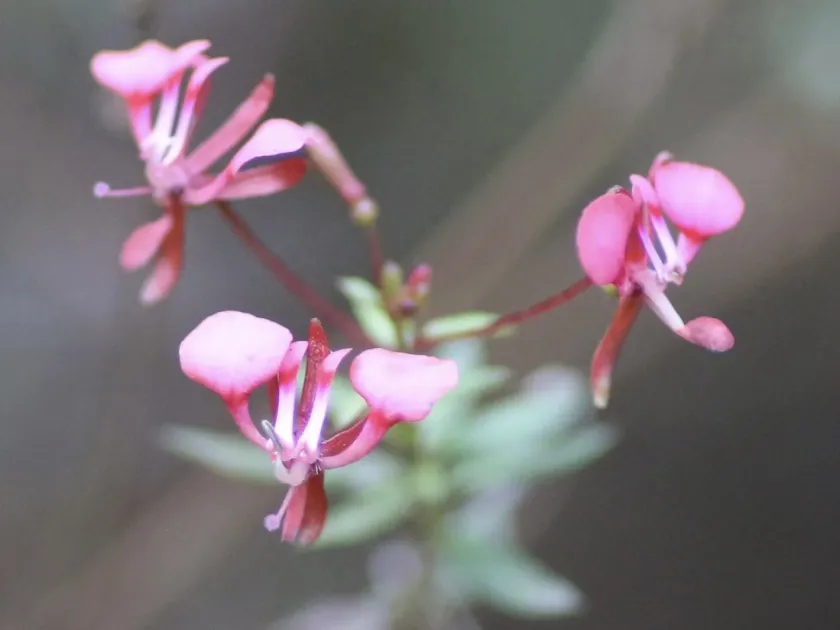
Description
Sowing dates
Propagation of Lopezia racemosa is typically achieved through seeds started indoors in early spring. The seeds are small and should be sown on the surface of a light, sterile seed-starting mix, then barely covered with a fine layer of vermiculite.
Maintaining a consistent temperature between 20°C and 22°C is essential for successful germination. Keeping the growing medium moist but not waterlogged is critical during the two to three weeks required for seedlings to emerge.
Once seedlings have developed at least two sets of true leaves, they should be carefully pricked out into individual pots. This transition requires gradual hardening off before they are moved to larger containers or outside beds.
Pinching the growing tips is a recommended practice to promote a bushier habit and increase the number of floral racemes. This simple technique significantly enhances the overall aesthetic value of the plant during the flowering season.
Transplanting into the garden or final containers should only occur after all risk of frost has passed. Choose a location with partial shade to full sun, ensuring the plants have adequate space for airflow to prevent humidity-related issues.
Growing requirements
Lopezia racemosa, a member of the Onagraceae family, is native to the montane regions of Mexico. It thrives in climates that offer cool evenings and moderate daytime temperatures, reflecting its original highland environment.
The plant requires well-draining, nutrient-rich soil with a slightly acidic to neutral pH. Heavy or compacted soils should be amended with organic matter such as compost or peat to improve soil structure and root respiration.
Watering should be consistent; the goal is to maintain even soil moisture throughout the growing season. While the plant appreciates moisture, it is highly intolerant of waterlogged conditions which often lead to immediate root decay.
Fertilization with a balanced, water-soluble fertilizer applied every two to three weeks will support vigorous growth and continuous blooming. Avoid excessive nitrogen, which may lead to lush foliage at the expense of flower production.
Due to its graceful growth habit, Lopezia racemosa is an excellent choice for ornamental borders and container arrangements. Its long-lasting racemes provide visual interest from late spring throughout the summer months.
Main diseases and pests
Common health issues for Lopezia racemosa include root rot and powdery mildew, both of which are primarily linked to poor airflow or inadequate drainage. Proper plant spacing is the first line of defense against these fungal pathogens.
Aphids and spider mites are the most frequent insect pests. These pests thrive in dry conditions or when the plant is stressed, making regular monitoring of the underside of leaves an important part of a gardener's routine.
Management strategies for pests should start with physical removal or the use of insecticidal soaps. If chemical intervention is necessary, select products labeled for ornamental plants and apply them during the cooler parts of the day.
Cultural sanitation is vital for preventing the spread of disease. This includes promptly removing any dead or decaying plant material and keeping the surrounding soil free of debris where pathogens might overwinter.
By providing adequate space between plants and avoiding overhead watering, growers can significantly reduce the incidence of disease and create a more favorable environment for the plant to thrive throughout its life cycle.