
Ludwigia abyssinica
Ludwigia abyssinica
Description
Growing requirements
Ludwigia abyssinica is a perennial herbaceous plant belonging to the Onagraceae family. It is a highly moisture-dependent species, commonly found in wetland habitats, riverbanks, and marshy areas across tropical Africa, ranging from Senegal to Ethiopia.
The plant thrives in tropical climates characterized by high temperatures and consistent precipitation. It is well-adapted to anaerobic soil conditions, often playing a role in stabilizing the soil near water bodies where other crops might struggle with root rot.
Cultivation requires fertile, loamy soils that can retain high levels of moisture. Consistent hydration is essential for the plant to reach its full vegetative potential, as drought stress negatively impacts both growth rate and the concentration of beneficial secondary metabolites.
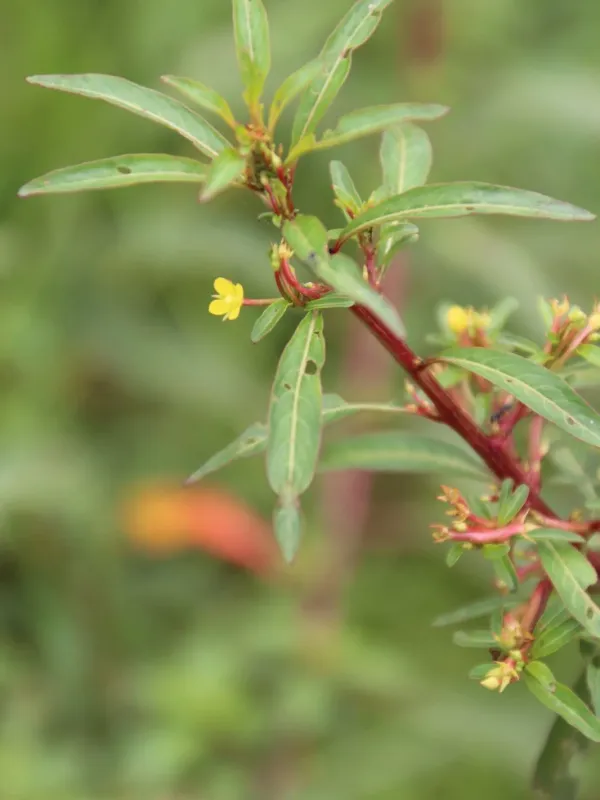
Botanically, the plant features erect stems and alternate, lanceolate leaves. Its small, yellow flowers emerge from leaf axils during the flowering phase. The plant's root system is robust, allowing it to anchor effectively in loose, water-saturated sediments.
In terms of economic value, Ludwigia abyssinica is primarily utilized in traditional medicine. Various parts of the plant are harvested to treat skin conditions, fever, and common infections, making it a significant botanical resource for local healthcare practices.
Main diseases and pests
The most significant threats to Ludwigia abyssinica include fungal infections such as root rot and stem blight, which thrive in stagnant, poorly ventilated conditions. Overcrowding of plants significantly increases the risk of these pathogens spreading rapidly through a plot.
Pests, particularly aphids and various leaf-chewing insects, pose a constant challenge to crop health. These organisms consume leaf tissue, hindering photosynthesis and reducing the overall quality of the harvested medicinal raw material.
Effective management strategies include ensuring adequate spacing between plants to allow for airflow and sunlight penetration. Manual weeding is also crucial, especially in the early stages of growth, to reduce competition for nutrients and space.
Soil health monitoring is vital, as nutrient imbalances or changes in the water chemistry can trigger physiological disorders, such as chlorosis. Providing balanced fertilization can help strengthen the plant's natural immunity against environmental stressors.
Integrated pest management, focusing on organic controls rather than broad-spectrum chemical pesticides, is generally preferred in areas where this plant is grown for traditional medicinal use, ensuring the final product remains safe for consumption.