
Ludwigia africana
Ludwigia africana
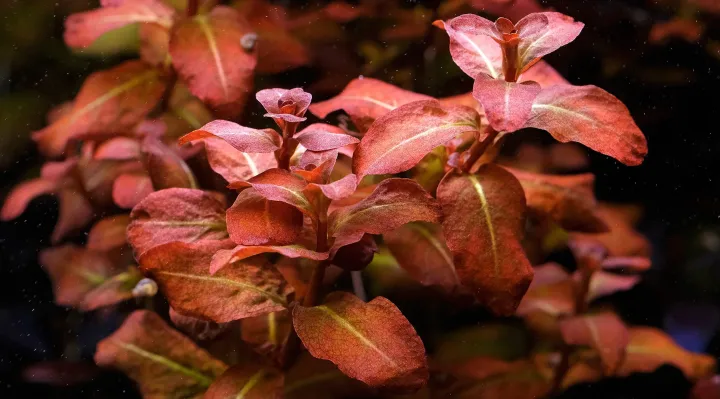
Description
Growing requirements
Ludwigia africana is a resilient herbaceous plant belonging to the Onagraceae family. It is native to the tropical wetlands of Africa, where it thrives in humid conditions and nutrient-rich, waterlogged soils near riverbanks and marshes.
Botanically, the plant is recognized for its lanceolate leaves and sturdy stems that can vary in colour based on light exposure and mineral availability. It features an extensive root network that allows it to anchor effectively in various substrates, from fine silt to clay-based aquarium media.
To cultivate Ludwigia africana successfully, growers must provide a stable tropical climate. Temperatures should be maintained between +22 and +28 degrees Celsius, as sudden fluctuations can induce shock and halt growth cycles significantly.
The soil or substrate must offer excellent cation exchange capacity and remain slightly acidic to neutral. In aquacultural setups, supplementary CO2 injection and precise micro-nutrient dosing are necessary to maintain the plant's structural integrity and vivid coloration.
Its primary commercial and hobbyist use is in aquascaping and the design of paludariums. Because of its aesthetic appeal and structural versatility, it serves as a staple for creators looking to mimic authentic African wetland ecosystems.
Main diseases and pests
The primary threat to the health of this species is inadequate lighting intensity, which leads to etiolation. When deprived of sufficient light, the plant loses its dense leaf structure and becomes highly susceptible to competing algae species.
Poor water quality management, such as high concentrations of organic waste or extreme hardness, can hinder nutrient uptake. This often manifests as yellowing of the leaves or root rot, which can quickly spread through the entire cluster.
Pests, particularly snails and small invertebrates, may feed on the tender young leaves, leaving them prone to secondary bacterial infections. Furthermore, fungal outbreaks are common in stagnant water environments where aeration is insufficient.
Effective management involves maintaining high water flow and regular substrate siphoning to prevent debris buildup. Ensuring the plant has ample space for growth prevents the development of localized anaerobic zones that trigger plant decay.
If pathogens are detected, the affected areas must be removed immediately to prevent systemic spread. Maintaining consistent parameters is the most effective strategy to ensure long-term health and vitality for this tropical species.