
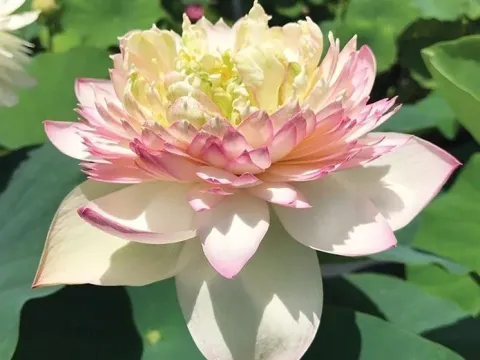
Hybrid lotus
Nelumbo hybrids
Planting hybrid lotus is generally performed in the spring season when water temperatures consistently reach 18–20°C. Early planting allows the plant sufficient time to establish its root system before the peak of summer heat.
What the section contains
Hybrid lotus
The culture is typically propagated vegetatively by dividing rhizomes. It is vital to select healthy, segmented rhizomes with at least two viable growth buds to ensure successful rooting in the substrate.
For seed propagation, scarification is a mandatory step, as the seed coat is extremely hard and impermeable to water. Carefully filing or sanding the coat helps moisture penetrate, initiating germination.
Rhizomes should be planted 10–20 cm deep into a nutrient-rich muddy substrate. Proper spacing is crucial to prevent competition for nutrients, usually requiring 1.5–2 meters between individual plants.
After planting, monitoring the water level is essential to ensure that the newly placed rhizomes do not float to the surface due to buoyancy or turbulent water movement.
Hybrid lotus is a member of the Nelumbonaceae family, requiring full sun exposure to flourish. Ideally, these plants need at least 8 to 10 hours of direct sunlight per day to support blooming and rhizome development.
Optimal growth temperatures for this crop are between 25°C and 30°C. Prolonged exposure to temperatures below 15°C will significantly inhibit metabolism and may lead to dormancy.
The soil should be a mix of silt, clay, and organic matter to provide necessary nutrients. A neutral pH range (6.0–7.5) is preferred for maintaining plant health and nutrient uptake efficiency.
The water depth in the pond should ideally be maintained between 30 cm and 80 cm. Shallower water warms up faster, which is beneficial for growth, but requires consistent monitoring for evaporative loss.
Clear, stagnant or slow-moving water is preferred. High-velocity currents or excessive turbulence can damage the large leaves, reducing the plant's overall photosynthetic performance.
The yield of hybrid lotus is measured in terms of harvested rhizomes, seeds, and flowers. With appropriate care and fertilization, a healthy stand can produce a significant biomass of edible rhizomes.
Seed production is consistent once the plant reaches maturity, typically around the second or third year of cultivation. A single flower receptacle can yield dozens of seeds if pollination is successful.
Intensive farming techniques, including the use of controlled greenhouse environments and supplemental organic fertilizers, can push yields of rhizomes up to several tons per hectare.
Flower harvesting for ornamental or medical use requires delicate handling. Harvesting in the early morning while the flowers are semi-closed preserves the quality and longevity of the petals.
Economic returns are maximized by processing the crop immediately after harvest, ensuring that both the starch-rich rhizomes and the therapeutic seeds reach the market in prime condition.
Fungal diseases such as Fusarium wilt and various rhizome rots are the most common threats to hybrid lotus. These are often linked to overcrowded planting sites and stagnant, nutrient-overloaded water.
Pests such as aphids and leaf-eating beetles can cause considerable damage to the foliage. Regular monitoring is necessary, especially during the warm months when these pests are most active.
Algal blooms pose a significant indirect threat by shading the water surface, preventing light from reaching the lotus leaves, and depleting oxygen levels in the water column.
Environmental stress, such as sudden changes in temperature or water quality, makes the plants more susceptible to opportunistic infections, resulting in yellowing or premature leaf drop.
Integrated pest management, focusing on biological controls and maintaining water quality through proper aeration, is the most effective approach to safeguarding the crop from disease.
The harvest of rhizomes takes place in late autumn after the foliage has naturally withered. During this period, the plant has stored maximum starch reserves in its underground organs.
Care must be taken during the digging process to avoid bruising the rhizomes, as damaged areas are highly prone to rot if not processed or sold immediately.
Seed harvesting involves collecting the hardened receptacles from the water surface or just below it. The seeds are then extracted, cleaned, and dried in a well-ventilated area to prevent mold.
Post-harvest cleaning is vital; removing all mud and organic debris immediately keeps the product fresh and prevents contamination during storage.
Proper storage involves keeping rhizomes in cool, moist conditions (such as damp sand or specialized cold storage) to maintain texture and nutritional content until they reach the consumer.