
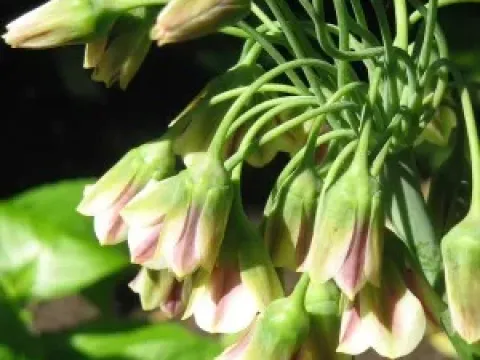
Nectaroscordum
Nectaroscordum
Nectaroscordum bulbs are typically planted in the autumn, between September and October, allowing the roots to establish before the ground freezes.
What the section contains
Nectaroscordum
When propagating from seeds, sow them in open soil during the winter or in the spring after a period of stratification at cool, positive temperatures.
The optimal planting depth for bulbs is approximately 10-15 centimeters, depending on the bulb size and soil density of your specific plot.
Ensure a spacing of 20-30 centimeters between bulbs to allow for proper foliage development and adequate airflow around the root zone.
Using a well-draining substrate mixed with sand can significantly enhance the success rate of seed germination and subsequent bulb maturation.
Nectaroscordum is a member of the Amaryllidaceae family, consisting of perennial bulbous plants native to Mediterranean and Western Asian regions.
The plant thrives in sunny locations with light shade, provided the soil warms up evenly and avoids waterlogging after heavy rainfall.
The best growth is achieved in loose, fertile soils with a neutral or slightly alkaline pH and a high concentration of organic matter.
While the plant requires moderate watering during its active growing season, it is highly sensitive to water stagnation, which risks bulb rot.
In regions with harsh winters, it is advisable to mulch the planting site with peat, compost, or dry leaves to provide insulation against frost.
Fungal diseases present the greatest threat to this crop, particularly in environments with poor drainage and excessive soil moisture.
The onion fly is a common pest whose larvae target the base of the bulbs, often leading to the complete loss of the plant during the season.
To prevent rot, it is standard practice to treat the bulbs with professional fungicidal agents before planting them into the ground.
Nematodes can also damage the root system, making crop rotation essential to avoid planting Nectaroscordum in the same spot for consecutive years.
Regular weeding and careful soil maintenance are crucial to minimizing pest habitats and promoting a healthy airflow around the stalks.
Seed harvesting should be performed once the seed pods turn brown and begin to split naturally while remaining in the field.
Bulbs meant for storage should be lifted only after the foliage has fully withered, signaling that nutrients have returned to the storage organ.
Once harvested, clean the bulbs and air-dry them in a shaded, well-ventilated location to ensure they are free of excess moisture before storage.
Store the bulbs in dry crates lined with sawdust or paper, ensuring constant ventilation to prevent mold growth during the dormancy period.
The primary economic use of Nectaroscordum is in professional landscaping and ornamental horticulture due to its distinct, architectural inflorescence.