
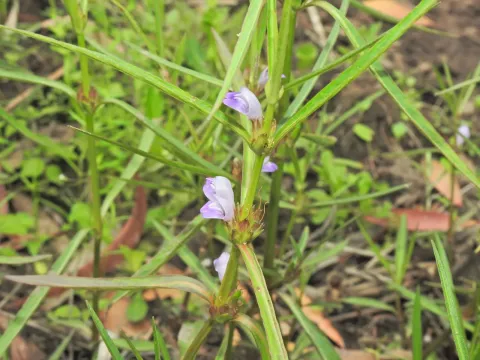
Narrow-leaf hygrophila
Hygrophila angustifolia
Narrow-leaf hygrophila (Latin Hygrophila angustifolia) is a perennial aquatic plant belonging to the Acanthaceae family. It is native to the tropical wetlands of Southeast Asia, where it thrives along the banks of rivers and streams in nutrient-rich environments.
What the section contains
Narrow-leaf hygrophila
The plant is characterized by an upright stem and narrow, lance-shaped leaves that can grow significantly long. It develops a robust root system, making it an excellent candidate for nutrient absorption from the substrate, which helps maintain water clarity in aquarium settings.
Optimal growth requires a stable water temperature between 22°C and 28°C. The plant prefers slightly acidic to neutral water (pH 6.5–7.5) and a moderate water hardness to ensure its metabolic processes function efficiently during the growth cycle.
Lighting is the most critical factor for Hygrophila angustifolia. High-intensity lighting, paired with proper CO2 supplementation, stimulates healthy, dense growth and prevents the stem from stretching, which often happens in low-light environments.
Economically and aesthetically, this species is highly valued in the aquascaping industry. It serves as an excellent background plant, providing biological filtration and oxygenation, which are essential for maintaining a healthy balance in closed aquatic ecosystems.
The primary concern for growers is nutrient deficiency. Iron deficiency is particularly common, manifesting as chlorosis (yellowing of the leaves). Regular supplementation with liquid fertilizers or root tabs is essential to prevent these physiological disorders.
Algal blooms on the leaves are a significant threat. Because this plant grows relatively slowly compared to aggressive invasive species, it can easily be smothered by black beard algae or filamentous algae if the tank's light-to-nutrient ratio is not balanced.
Invertebrates, specifically larger snails, can cause mechanical damage to the foliage. While these snails can be beneficial for cleaning organic debris, they may turn to eating live plants if the tank's food supply is insufficient for their population size.
Poor water circulation can lead to bacterial rot, especially in the crown or the base of the stem. Maintaining a consistent current ensures that waste products do not accumulate around the roots, preventing anaerobic conditions that cause decay.
Incorrect pruning techniques can also stress the plant. Using dull scissors or performing excessive cutting in a short period can lead to die-back. Always use sharp, sterile tools to make clean cuts to ensure the plant recovers quickly and produces new, healthy shoots.