
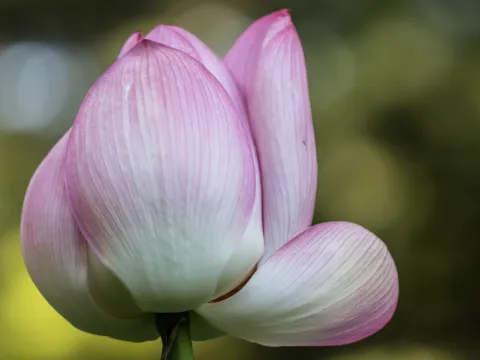
Lotus
Nelumbo
Lotus seeds are sown into prepared substrate or directly into the muddy bottoms of ponds once water temperatures consistently exceed +20–25°C. Due to their extremely hard seed coat, seeds require scarification to allow water absorption and initiate germination.
What the section contains

Lotus
The optimal planting period is late spring or early summer, ensuring the risk of frost has entirely passed. In commercial settings, producers often use container-grown starters to ensure higher survival rates before transplanting into the final water body.
Vegetative propagation via rhizome division is also common. Rhizome segments are planted 15–30 cm deep into the mud, which allows for rapid establishment and horizontal growth through the substrate.
Maintaining a stable water depth during the establishment phase is critical, as young plants are highly sensitive to fluctuating levels that can displace the rhizomes or damage emerging leaves.
Planting density varies based on the cultivation goal, whether targeting rhizome production for starch or seed harvesting for food and pharmaceutical industries.
As a member of the Nelumbonaceae family, the Lotus is a dedicated hydrophyte. It requires slow-moving or stagnant water bodies with nutrient-rich silty bottoms to sustain its vigorous root system.
The crop is highly photophilic and requires full sun exposure without overhead shading. The optimal water depth is between 0.5 and 1.5 meters, providing sufficient space for the leaves to reach the surface while keeping the roots anchored.
Temperature is a key limiting factor; active growth occurs only within a range of +25°C to +30°C. Growth slows significantly if water temperatures drop below +15°C, making it a warmth-loving crop.
Water quality should be neutral to slightly acidic, with no industrial contamination. Since the plant is an accumulator, managing the quality of the silt and water column is essential for a healthy crop.
Wind protection is vital in the agrotechnical plan, as strong winds can damage the large, floating leaves, leading to reduced photosynthetic capacity and overall stress.
The lotus is a multi-purpose agricultural crop where virtually every part is utilized. Rhizomes are rich in starch and are a staple food product, widely used in culinary applications throughout Asia.
Seeds are highly nutritious, containing significant amounts of protein and healthy fats. They are consumed fresh, dried, or processed into flour for various food products and bakery items.
The leaves, stamens, and flowers are valued in traditional medicine and the pharmaceutical industry, serving as raw materials for various extracts and herbal preparations.
With proper management of the pond’s nutrient levels and adherence to harvesting schedules, the yield per hectare can be highly profitable compared to conventional terrestrial vegetable crops.
Integrated processing of all plant components—from subterranean stolons to the seed-bearing receptacles—maximizes the economic efficiency of lotus cultivation.
The primary threats to lotus include fungal pathogens that cause rhizome rot, particularly when water temperatures are too low or organic matter accumulates to a point of stagnation.
Pests such as aphids and leaf-eating caterpillars can cause significant damage by consuming leaf tissue, thereby reducing the plant's ability to produce energy through photosynthesis.
Excessive growth of invasive algae can stifle lotus development by outcompeting the crop for sunlight and nutrients, and by altering the oxygen levels in the water column.
Competition from other aquatic weeds can become a major issue, necessitating regular clearing of the pond surface and maintenance of the growth environment.
Preventative measures include biological controls, ensuring adequate water circulation, and carefully monitoring fertilizer inputs to prevent imbalances that might encourage pathogen outbreaks.
Rhizome harvesting is typically performed in the autumn when the plant enters dormancy and the foliage has died back. This requires partially draining the pond to access the bottom sediment.
Seeds are harvested as the seed pods mature and turn dark brown. This process requires precision to ensure that the fragile stalks and immature parts of the plant remain intact.
Leaves are collected during the peak of the growing season, selecting only the healthiest specimens. After harvest, they are washed and dried under controlled conditions to maintain their medicinal and culinary quality.
Post-harvest handling involves thorough cleaning of silt and debris, sorting by size or quality, and preparing the raw materials for immediate processing or specialized storage.
Storage requires strict temperature and humidity control, as the high moisture content of rhizomes and seeds makes them susceptible to rapid molding if not kept in appropriate conditions.