
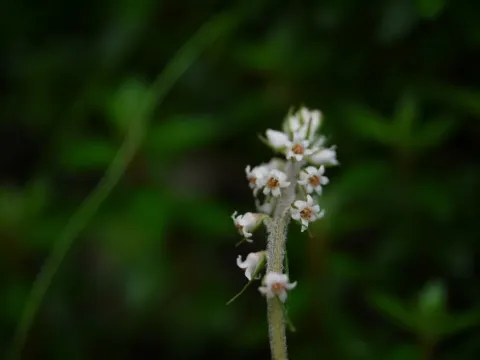
Aletris
Aletris
Sowing Aletris seeds is best performed in the autumn, immediately after harvesting, as the seeds require natural stratification in the soil throughout the winter. Direct field sowing typically ensures higher germination rates compared to indoor propagation.
What the section contains


Aletris
For spring sowing, seeds require prior artificial stratification at temperatures around 4 degrees Celsius for several weeks. This practice simulates natural conditions and helps break the seed dormancy, triggering germination.
Select slightly shaded locations for sowing, as direct sunlight can negatively impact the development of young seedlings. The soil should be loose, well-drained, and rich in organic matter to provide optimal nutrients for the growing plants.
The sowing depth must be minimal, as the seeds are quite small and require a specific level of light exposure for successful germination. Lightly compact the soil surface after sowing and maintain consistent moisture.
Aletris seedlings emerge slowly, necessitating diligent weeding in the early stages of development. Using mulch helps preserve soil moisture and prevents the growth of undesirable weeds during the initial months of vegetation.
Aletris prefers moist yet well-drained soils with a high content of peat or forest humus. The plant does not tolerate waterlogging, which can rapidly lead to root system decay and plant death.
The optimal soil pH range is acidic to slightly acidic, reflecting the natural habitat conditions found in North American woodlands. Application of lime or wood ash is highly discouraged as it can inhibit plant growth.
The culture requires a temperate climate with sufficient rainfall during the spring and summer periods. In hot and dry climates, Aletris requires regular irrigation and mandatory afternoon shading to prevent heat stress.
The plant demonstrates decent winter hardiness, but in severe snowless winters, a light layer of organic mulch is recommended. This protective layer prevents deep soil freezing and potential damage to the rhizomes.
Aletris thrives when planted in groups with other forest perennials, which create a beneficial microclimate and protect the soil from drying out. Avoid planting in proximity to aggressive weeds that compete for resources.
The economic value of Aletris lies in its rhizomes, which are utilized in the pharmaceutical industry. Yield depends on planting density and the age of the plants within the plantation.
Commercial harvesting of raw material is conducted in the third or fourth year, once the rhizome reaches its maximum size and biological activity. Harvesting too early results in a low yield of high-quality products.
Average productivity is approximately 300–500 grams of dry root per square meter, depending on adherence to proper agronomic practices. Note that the crop is slow-growing and does not yield immediate results.
To increase output on large areas, intensive organic fertilization methods are used to accelerate vegetative processes. However, excessive nitrogen application should be avoided as it may degrade the quality of the medicinal compounds.
Drying of the harvested material must occur at temperatures not exceeding 40 degrees Celsius to preserve the medicinal properties. Improper drying leads to the loss of active components and reduces the market value of the crop.
Primary threats to Aletris include fungal diseases of the root system, often caused by excessive moisture and poor drainage. If symptoms of rot appear, it is essential to improve site drainage immediately.
Root-knot nematodes can damage the underground parts of the culture, slowing plant growth and reducing total yield. Control involves crop rotation and the application of biological treatments to the soil.
Leaf pests, such as snails and slugs, can cause significant damage to young foliage during the spring. Their presence is frequently associated with high soil moisture and thick mulching layers.
In densely planted areas, leaf spots caused by pathogenic fungi can occur. Regular weeding and thinning are recommended to ensure proper air circulation and reduce humidity around the leaves.
Small rodents may nibble on roots during the winter months beneath the mulch layer. Protecting the crop from pests requires a comprehensive approach, including mechanical barriers or the use of safe repellents.
Harvesting Aletris is carried out by digging up the rhizomes at the end of the growing season when the aerial part of the plant begins to yellow and die back. This period correlates with the peak concentration of active ingredients in the roots.
Tools used for harvesting should be sufficiently sharp to avoid causing unnecessary trauma to the root system. Soil residue should be mechanically removed in the field before the product is transported to the drying facility.
After digging, the raw material is washed with cool, running water to remove dirt. The quality of primary processing directly influences the purity and grade of the final pharmaceutical product.
Root sorting is performed immediately after washing. It is necessary to discard fragments affected by rot or pest damage to prevent the contamination of the entire batch during storage.
Dried crops should be stored in dry, well-ventilated rooms using paper or fabric containers. Avoid direct exposure to sunlight, as UV radiation can break down active organic compounds over time.