
Aletris pauciflora
Aletris pauciflora
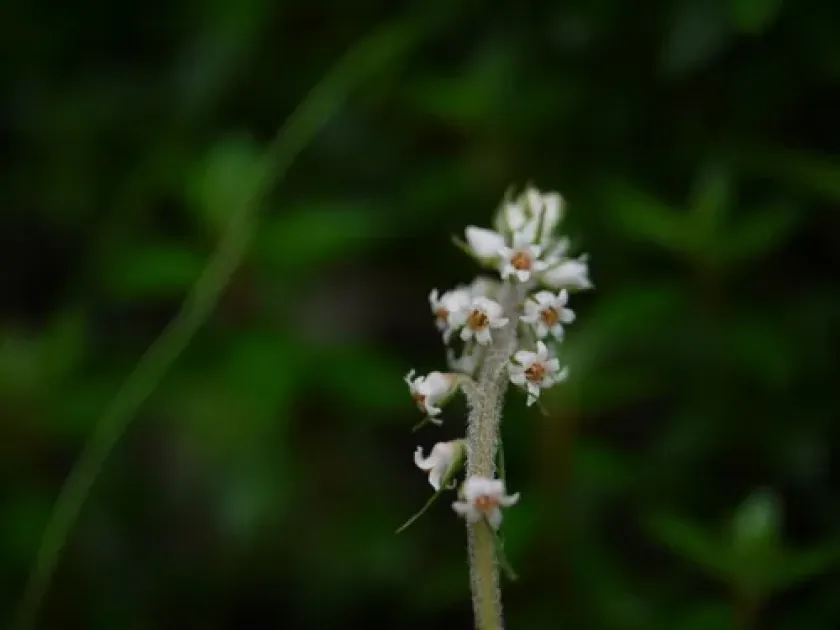
Description
Sowing dates
Sowing Aletris pauciflora seeds requires cold stratification, typically lasting between six to eight weeks in a controlled environment to break dormancy.
The seeds should be surface-sown onto a high-quality, moist seed-starting mix, as they require light to stimulate successful germination.
It is crucial to maintain a steady temperature of around 15–18 degrees Celsius during the initial germination phase in a greenhouse or indoor setting.
Thinning the seedlings is necessary once they reach the two-leaf stage, ensuring that each plant has sufficient space to develop a robust root system.
Gradual acclimatization of the young plants to outdoor conditions is required before final transplanting into the permanent garden site.
Growing requirements
As a member of the Nartheciaceae family, Aletris pauciflora thrives in specialized soil conditions that mimic its native moist, slightly acidic habitats.
The planting site should offer partial shade, as exposure to intense, direct afternoon sun can scorch the foliage and reduce overall plant vitality.
Soil quality must be high in organic matter, providing a spongy texture that retains moisture while ensuring rapid drainage to prevent rot.
The species is sensitive to waterlogging, particularly during winter dormancy, which necessitates the use of raised beds or specialized drainage layers.
Consistent moisture levels are required throughout the growing season, necessitating regular monitoring of the soil's water content during dry spells.
Main diseases and pests
The most common biological threats to Aletris pauciflora include fungal pathogens that develop in poorly drained or overly humid soil conditions.
Root rot is the primary danger, often caused by stagnant water, which compromises the rhizome structure and leads to rapid plant decline.
Aphids and spider mites may occasionally infest the foliage, especially when the plant is stressed by environmental factors or improper lighting.
Slugs and snails pose a threat to young, emerging shoots in the spring, requiring physical barriers or organic pest control methods to protect them.
Preventative measures include maintaining adequate spacing between plants to improve airflow and checking for early signs of mildew or blight regularly.
Harvesting
Harvesting for ornamental or specialized medicinal purposes is performed during the peak bloom phase to ensure the highest biological activity.
Careful cutting of the flower stalks allows for the utilization of the plant's aesthetic value while minimizing stress to the main rootstock.
Drying procedures involve keeping the harvested stalks in a cool, dark, and well-ventilated area to preserve the integrity of the compounds.
When collecting specimens for propagation, the rhizomes should be lifted carefully after the dormant period ends to ensure successful regrowth.
Storage must involve moisture-proof containers to prevent mold development, ensuring the long-term utility of the plant material collected.