
Aletris glabra
Aletris glabra
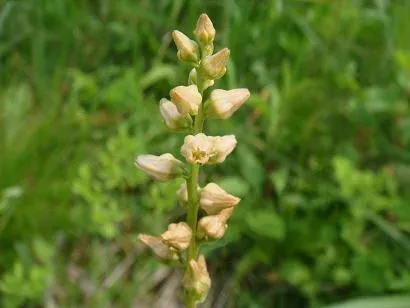
Description
Growing requirements
Aletris glabra is a perennial herbaceous plant belonging to the Nartheciaceae family. Originally native to the southeastern regions of North America, this species thrives in moist, sandy environments and open pine barrens, where it has adapted to specific light and soil conditions.
The plant features a distinct basal rosette of rigid, lance-shaped leaves that remain green throughout the growing season. Its most notable botanical characteristic is the tall, slender scape that produces a terminal inflorescence with dense clusters of small, white to pale flowers.
Successful cultivation requires soil that is consistently moist but possesses excellent drainage capabilities. It is highly sensitive to waterlogging, so planting on elevated beds or utilizing sandy substrates with high organic content is recommended to ensure root health.
The plant thrives in regions with temperate climates, preferring locations that offer partial to full sunlight. Protection from extreme heat and severe drought is necessary, especially during the establishment phase, as the root system of Aletris glabra is relatively shallow.
Agrotechnical maintenance focuses on providing adequate moisture levels and ensuring the soil acidity remains within the ideal range. Periodic application of slow-release fertilizers can support the development of the flower spikes without causing excessive vegetative growth that could lead to plant instability.
Main diseases and pests
The primary threats to Aletris glabra involve fungal diseases, particularly root rots caused by Phytophthora or Fusarium species in poorly drained soils. These pathogens can rapidly destroy the vascular system of the rhizome, leading to plant wilting.
Soil-dwelling nematodes represent another significant challenge, as they feed on the root hairs and reduce the plant's ability to absorb nutrients. Crop rotation or soil sterilization prior to planting is a standard practice to mitigate these risks in nursery environments.
Slugs and snails can cause damage to the foliage during periods of high humidity or excessive rain. Their grazing habits can lead to cosmetic damage and create entry points for secondary bacterial infections that weaken the plant's structural integrity.
Viral infections can affect the crop, characterized by chlorotic spots or stunted growth of the flower stalk. Since chemical cures are unavailable for these viruses, the most effective management strategy is the sanitation and immediate removal of infected specimens.
Maintaining adequate spacing between plants is crucial to ensure proper air circulation, which helps prevent the development of leaf spots caused by various pathogens. Regular inspection during the early growth stages is essential for effective integrated pest management.