
Aletris spicata
Aletris spicata
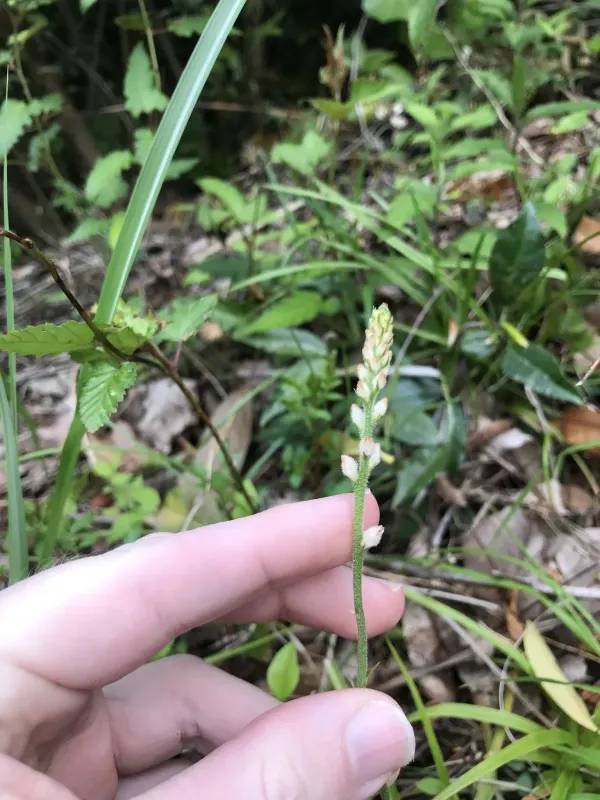
Description
Sowing dates
Sowing of Aletris spicata seeds is carried out primarily in the spring, once the soil warms up to stable temperatures necessary for the germination of small seed material. A long vegetative period is required for the successful formation of the leaf rosette during the plant's first year of life.
On an industrial scale, seeds are sown into prepared substrates in greenhouses or nursery beds to ensure uniform emergence. The sowing method requires shallow covering, as Aletris seeds are extremely sensitive to planting depth and require light for germination activation.
Propagation can also be performed vegetatively through the division of rhizomes, which allows for faster biomass production. The optimal time for this procedure is early spring or early autumn, ensuring better rooting before the onset of extreme temperature conditions.
The sowing pattern should account for the need to form a full leaf rosette; thus, planting density is calculated based on the development of wide leaves. Typically, rows are left wide enough to facilitate agricultural maintenance and soil care.
An important factor during sowing is the use of fresh seed material, as the seeds of this species have low germination vigor when stored for long periods. Pre-sowing stratification can significantly increase germination rates in a farming environment.
Growing requirements
Aletris spicata, belonging to the Melanthiaceae family, has high soil moisture requirements, preferring locations with good drainage. The crop is sensitive to drying out of the topsoil during the active growth period of the rosettes.
The plant thrives best in acidic or slightly acidic soils with high humus content. Depleted or highly alkaline substrates negatively affect root system development and the overall productivity of the crop.
The crop requires sunny areas or light shade, which is characteristic of its natural habitat in forest-steppe zones. Direct exposure to scorching sun without sufficient irrigation can cause marginal leaf burn.
Optimal growth requires regular irrigation during drought periods in the agronomic cycle. The root system, characterized by a short, knotty rhizome, needs stable access to nutrients contained within the soil solution.
The crop's climatic adaptability is limited, so in regions with harsh winters, providing a layer of mulch is necessary. This helps prevent damage to renewal buds during sharp temperature fluctuations between seasons.
Main diseases and pests
The main threat to Aletris stands is fungal root diseases, which arise from waterlogging and poor drainage. Under such conditions, rot develops rapidly, leading to the death of the plant's aerial parts.
Pests, such as slugs and snails, often damage the young, succulent leaves of the crop in rainy weather. Combating them requires the use of specialized biological agents or the organization of perimeter barrier protection.
Infestations by various aphid species are possible, as they suck juices from the flower stalks during active development. This reduces the overall quality of plant raw materials intended for pharmacopeia.
Phytopathology prevention consists of crop rotation and avoiding overly dense plantings. An agronomist must monitor the ventilation of the rows to prevent the creation of a microclimate favorable to pathogens.
For protection against harmful insects, regular monitoring of the crop condition is recommended. At the first signs of infestation, measures should be taken that exclude the use of highly toxic chemicals, maintaining the ecological purity of the raw materials.
Harvesting
The harvest of Aletris spicata raw material is carried out during the phase of mass flowering, when the concentration of biologically active compounds in plant tissues reaches its peak. During this period, the flower stalks are fully developed.
For medicinal purposes, the roots and rhizomes are often harvested in the autumn when the aerial parts begin to wither. This approach allows the plant to accumulate a sufficient amount of reserve substances in its underground organs.
The harvesting technology involves careful extraction of the roots from the soil using mechanical means to minimize damage. Injured roots are prone to darkening and loss of pharmacological properties during subsequent drying.
After digging, the raw material is cleaned of soil residues and washed with running water. It is essential to ensure rapid drying at a controlled temperature to prevent fermentation and mold development.
Storage of dried raw material is carried out in dry, well-ventilated rooms using paper or fabric containers. Compliance with these conditions ensures the preservation of the commercial appearance and medicinal value of Aletris until processing.