
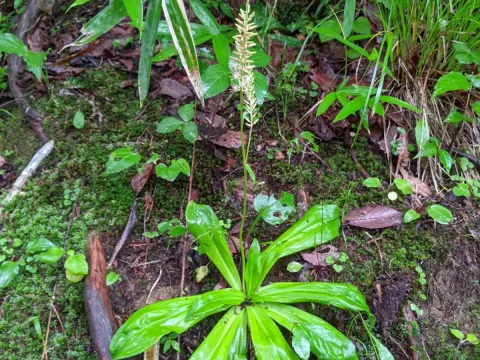
Metanarthecium
Metanarthecium
Metanarthecium is a genus of perennial herbaceous plants belonging to the Melanthiaceae family. It is a monotypic genus containing a single species, Metanarthecium luteoviride, which is native to the archipelago of Japan.
What the section contains

Metanarthecium
The plant is typically found in moist, shady environments, such as mountainous regions and forest floors. It prefers cool temperatures and high humidity levels, making it a specialized plant that requires careful placement in cultivation to mimic its wild habitat.
Botanically, it is characterized by a basal rosette of narrow, grass-like leaves from which a slender raceme emerges during the flowering period. The flowers are small, greenish-yellow, and structurally adapted for specific pollination mechanisms prevalent in their native environment.
Regarding cultivation, Metanarthecium requires a humus-rich, slightly acidic soil that retains moisture but remains well-drained. It does not tolerate prolonged drought or high-intensity solar radiation, which can easily scorch its foliage.
The agronomic management involves maintaining consistent moisture levels and providing protection from harsh, dry winds. During the vegetative stage, it is essential to ensure that the substrate temperature remains moderate to avoid physiological stress in the root system.
The primary threats to Metanarthecium include various root rot pathogens caused by poor soil drainage and stagnant water. These fungal infections are the most common cause of plant failure, particularly in poorly ventilated greenhouse or garden conditions.
Gastropods, such as slugs and snails, are significant pests that feed on the succulent leaves of the plant. A single infestation can result in severe aesthetic and physiological damage, potentially causing the plant to perish if left uncontrolled.
Aphids can occasionally colonize the flower stalks during the inflorescence phase, causing deformation and stunted growth. Monitoring the plant during the early stages of spike development is crucial for maintaining both health and decorative appeal.
Environmental stress, such as extreme temperature fluctuations, can also weaken the plant, making it more susceptible to opportunistic infections. Maintaining a stable microclimate is the best form of defense against such abiotic threats.
Effective management includes regular inspection of the foliage and substrate surface. If pest pressure is high, manual removal or the application of selective, plant-safe pesticides is recommended to prevent widespread colonization of the plant bed.