
Aletris foliata
Aletris foliata
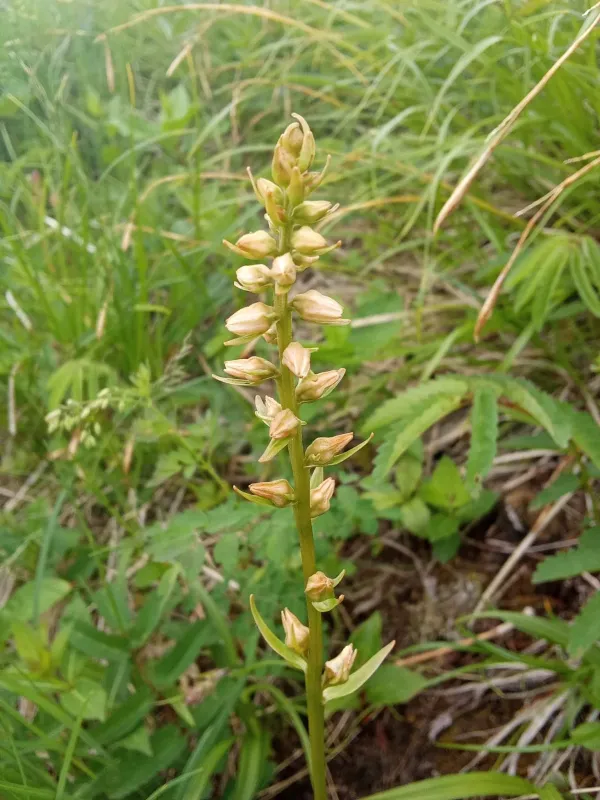
Description
Sowing dates
Aletris foliata is a perennial herbaceous plant belonging to the Nartheciaceae family. Cultivation is primarily conducted via seed propagation, which requires stratification to break dormancy and ensure high germination rates during the spring season.
Seeds are sown into a specialized medium characterized by high peat content and acidic properties, which closely mirrors the plant's natural woodland habitat. Surface sowing is essential as the seeds are light-sensitive and require exposure to initiate germination.
Vegetative propagation via rhizome division is commonly utilized during the early spring or late autumn when the plant is dormant. This method allows for the rapid establishment of new individual plants and maintains the genetic purity of the cultivar.
When transplanting into the field, adequate spacing is required to ensure proper airflow and light penetration, significantly reducing the risk of fungal outbreaks in the dense canopy of the growing plants.
Strategic preparation of the planting site involves soil aeration and the incorporation of organic matter to foster a healthy root environment, which is fundamental for the successful development of this slow-growing species.
Growing requirements
The plant thrives in partial shade, as exposure to intense, direct sunlight can lead to leaf scorching and physiological stress. Woodland settings with dappled light provide the optimal conditions for maintaining consistent metabolic rates.
Soil requirements involve a high moisture retention capacity combined with excellent drainage. Waterlogging is detrimental to the plant's root health, often leading to rot; therefore, creating a raised bed or adding grit can improve soil structure significantly.
Temperatures must be kept moderate throughout the growing season, avoiding extreme heat or sudden frost events. In colder regions, a thick layer of organic mulch is necessary during the winter months to protect the rhizomes from deep soil freezing.
Consistent watering is crucial, particularly during the summer growth phase. However, care must be taken to maintain the moisture level without creating an anaerobic environment in the root zone, which can inhibit nutrient uptake.
Balanced fertilization, low in nitrogen but sufficient in phosphorus and potassium, helps support root development and long-term vitality, ensuring the plant remains resilient against environmental stressors.
Yield
Yield metrics for Aletris foliata are focused on the quality and quantity of the rhizome biomass harvested. As a perennial crop with a slow development cycle, the first harvest is typically deferred for several years after the initial planting.
Optimal yields are achieved through meticulous site management and the reduction of weed competition. Maximizing biomass requires a stable nutrient balance and protection from pathogens that could otherwise hamper root growth.
Harvest scheduling is based on the plant's seasonal cycle, with collection occurring when the aerial foliage begins to senesce, signaling the peak storage of metabolites within the underground rhizome structures.
Statistical monitoring of yield helps growers adjust planting densities and fertilization regimes to improve production efficiency over successive seasons on the same acreage.
Post-harvest evaluation includes weighing and drying processes that determine the commercial grade of the product, ensuring that the output meets pharmaceutical or botanical market standards.
Main diseases and pests
Fungal infections are the most significant threat to Aletris foliata populations, particularly in environments with poor ventilation or high soil humidity. Gray mold and various root rots can devastate a plantation if not managed proactively.
Slugs and snails are common pests that feed on the soft leaf tissues, causing aesthetic and physiological damage. Barrier methods such as copper tape or gravel mulching are effective in deterring these mollusks from the foliage.
Root-knot nematodes represent a hidden threat that can drastically reduce the vigor of the plant, often leading to stunted growth. Crop rotation and using pathogen-free starter material are essential preventive strategies.
Integrated Pest Management (IPM) practices, including regular inspection and sanitation of the growing area, are vital for maintaining long-term plantation health and preventing the spread of diseases.
- Management of soil drainage to prevent fungal growth.
- Application of non-chemical pest barriers for mollusks.
- Sanitation of gardening tools to prevent pathogen transfer.
- Use of certified, disease-free planting materials.
Harvesting
The harvesting process takes place in the late autumn after the plant has entered its winter dormancy. This timing ensures that the rhizomes contain the highest concentration of bioactive compounds, which is the primary objective for production.
Extraction involves careful digging to ensure that the rhizomes are collected intact. Mechanical damage during harvest can lead to accelerated degradation of the internal tissues and loss of market value.
Post-harvest handling requires immediate washing to remove all soil debris, followed by controlled drying. Drying is conducted in temperature-monitored environments to prevent the loss of heat-sensitive compounds.
Storage of the finished product is managed in dry, cool, and dark conditions. Proper packaging protects the material from ambient moisture and potential insect infestation during the storage period.
Final quality control procedures are applied before the rhizomes are processed further, ensuring that each batch meets established safety and potency requirements for end-users.