
Natal grass
Rhynchelytrum
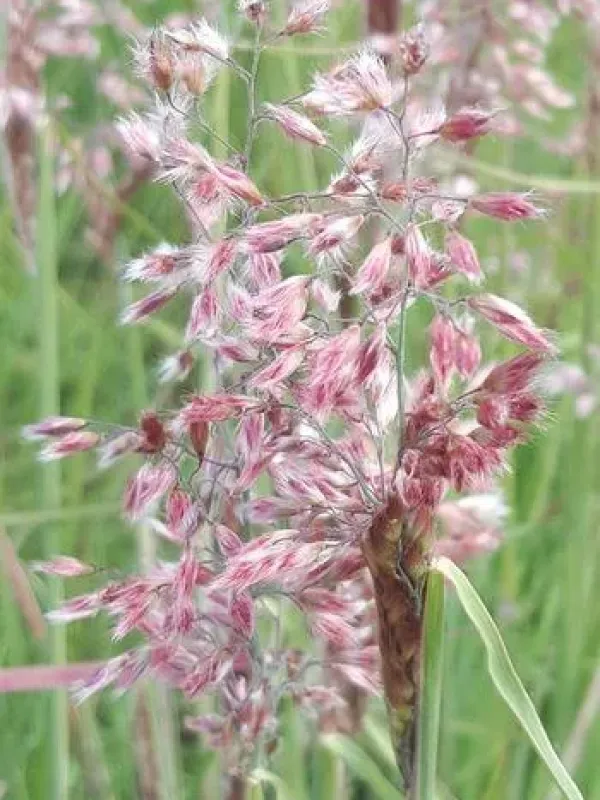
Description
Sowing dates
Natal grass, scientifically known as Melinis repens, is a warm-season perennial grass often established through seeding in well-prepared, loose soil beds.
The optimal time for sowing is during the spring or at the onset of the rainy season when soil temperatures reliably stay above 15°C.
Seeds are tiny and should be sown at a shallow depth (not exceeding 1 cm) to ensure they can penetrate the surface and establish roots effectively.
Uniform distribution is crucial for even growth, and using a broadcast seeder followed by light rolling is the recommended method for successful establishment.
Adequate soil moisture must be maintained for the first few weeks after germination to help the delicate seedlings transition into a hardy vegetative state.
Growing requirements
Belonging to the Poaceae family, Natal grass is highly valued for its exceptional drought tolerance and ability to thrive in challenging environments.
It adapts well to poor, rocky, or sandy soils, making it an excellent choice for land reclamation and soil stabilization where other grasses fail.
This species is highly heliophilic; it requires full sun exposure and will show reduced biomass production and vigor if grown in shaded or wooded areas.
While tolerant of low fertility, it prefers soil pH levels ranging from 5.5 to 7.0 to optimize nutrient uptake and support root development.
It is sensitive to hard frosts, which can kill the aerial parts of the plant, though the roots are generally capable of surviving mild cold snaps.
Yield
The yield of Natal grass is highly dependent on nitrogen availability and the total rainfall received throughout the growing season.
Under favorable conditions, it provides multiple cuts per year, offering a reliable supply of palatable forage for livestock and grazing animals.
Highest productivity is achieved when the grass is managed rotationally, allowing sufficient recovery time between heavy grazing or mechanical harvesting cycles.
Fertilizer application after each cutting cycle significantly boosts the vegetative output, ensuring the field remains productive throughout the entire season.
Compared to other grasses, it provides a consistent, albeit moderate, yield that remains stable even during periods when precipitation is below average.
Main diseases and pests
Natal grass is generally considered a robust species with a high resistance to most common diseases that typically plague agricultural cereal crops.
Root rot can occur in poorly drained, waterlogged soils, making proper site selection and drainage management critical to the health of the crop.
Insect pests such as leafhoppers may occur, but they rarely reach infestation levels that require intensive chemical pesticide interventions in forage systems.
Effective management strategies focus on preventing weed competition during the early establishment phase to ensure the grass achieves full coverage.
Integrated pest management, including regular mowing and proper stocking density, keeps the grass stand vigorous enough to resist secondary infections.
Harvesting
For high-quality forage, the grass should be harvested before the inflorescences fully mature, as this ensures the best leaf-to-stem nutrient ratio.
When mechanical harvesting is used, maintaining a stubble height of 5–8 cm allows the plant to regenerate rapidly from the crown and basal nodes.
Seed harvesting should be timed carefully as the pinkish-red panicles mature, usually when they start to dry and exhibit a silvery, fluffy appearance.
Curing the hay requires proper ventilation, as the density of the harvested biomass can trap moisture, increasing the risk of mold formation if not dried correctly.
Properly baled Natal grass hay is highly regarded for its palatability and nutritional value, making it a staple in dryland forage programs.