
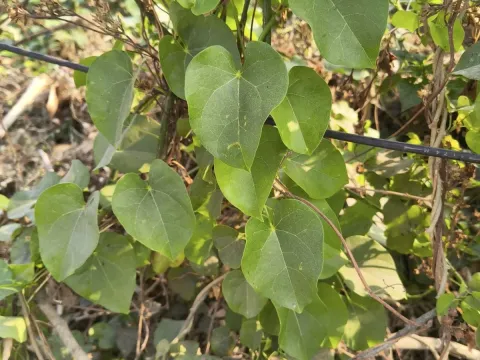
Tinospora
Tinospora
Tinospora is a genus of climbing vines belonging to the Menispermaceae family. The most agriculturally significant species, Tinospora cordifolia, is widely recognized for its high pharmaceutical value and role in traditional herbal medicine.
What the section contains


Tinospora
This crop is native to the tropical regions of India, Myanmar, and Sri Lanka. It thrives in warm, humid environments and requires significant exposure to sunlight to maintain vigorous growth and produce quality secondary metabolites.
Cultivation requires well-drained, fertile soil, typically loamy or sandy loam in texture. Tinospora performs best when soil pH is neutral or slightly acidic, which ensures the bioavailability of essential nutrients needed for biomass development.
As a climbing plant, Tinospora must have structural support, such as trellises or existing trees. Providing a proper climbing structure is a fundamental aspect of its agronomy, directly influencing the final yield and ease of harvest.
Agrotechnical management includes controlled irrigation, especially during the establishment phase of young vines. While mature plants show strong resilience to drought, maintaining consistent soil moisture significantly boosts the annual stem production.
The primary economic focus for Tinospora cultivation is the harvesting of stems and roots. These plant parts are rich in phytochemicals like alkaloids and terpenoids, which are heavily processed into dietary supplements and medical extracts.
Harvesting typically begins two to three years after planting. Mature stems are identified by their characteristic corky bark; they are carefully harvested, cleaned, and cut into manageable pieces to be dried for industrial use.
Proper post-harvest processing is crucial to ensure high product quality. Drying must take place in well-ventilated, shaded areas to prevent degradation of heat-sensitive compounds and avoid potential fungal contamination during storage.
Productivity levels depend heavily on planting density and site management. Utilizing organic fertilizers and mulching techniques can significantly enhance biomass yields without compromising the medicinal quality of the harvested material.
With the global demand for plant-based immunity boosters on the rise, Tinospora has become a profitable crop for tropical agriculture. Implementing sustainable farming practices is essential for long-term production and meeting international quality standards.
The main threats to Tinospora crops include fungal leaf spots, which often arise in areas with poor air circulation or excessive moisture. Pruning and spatial management are key preventative measures to keep the canopy healthy and well-aerated.
Pests such as larvae and leaf-feeding insects can cause significant damage to foliage. Integrated pest management strategies, emphasizing biological controls and neem-based sprays, are highly recommended to keep infestations under control.
Root rot, caused by waterlogged soil, is a severe threat to Tinospora survival. Ensuring a high-quality drainage system is essential, especially in regions with heavy seasonal monsoon rains, to prevent the death of the root system.
Weed competition can hinder the growth of young plants during the first year of cultivation. Regular weeding and maintaining a clean cultivation area allow the vines to access sufficient water and nutrients without unnecessary competition.
Monitoring the plantation for signs of disease or pest outbreaks is a constant requirement for professional agronomists. Swift intervention at the first sign of trouble preserves the health of the entire crop and ensures stable annual yields.