
Chinese Tinospora
Tinospora sinensis
Description
Growing requirements
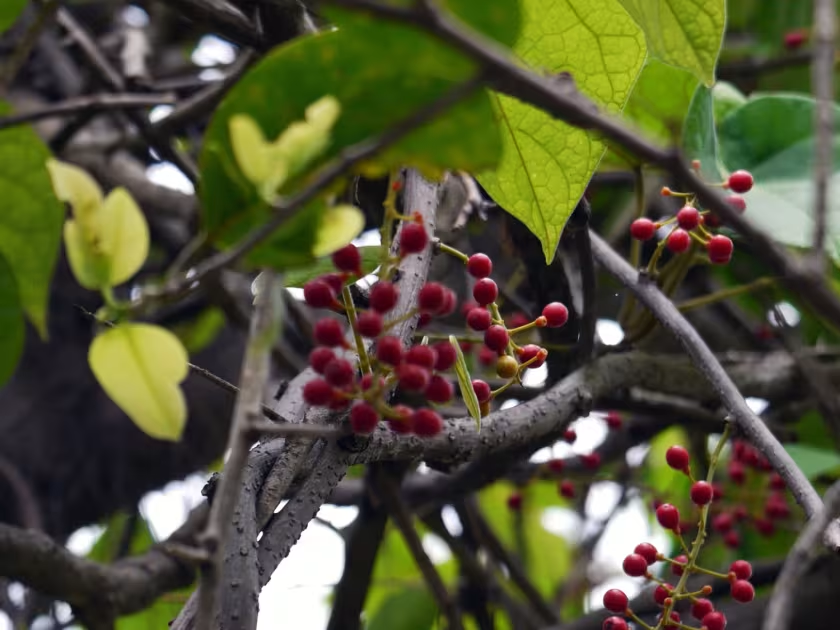
Tinospora sinensis, commonly known as Chinese Tinospora, is a robust climbing shrub belonging to the Menispermaceae family. This woody vine is characterized by its extensive root system and rapid vertical growth in favorable tropical environments.
Native to Southeast Asia and Southern China, the plant thrives in hot and humid climates. It requires consistent thermal conditions and is sensitive to frost, which limits its outdoor commercial cultivation to specific tropical and subtropical zones.
The crop demands fertile, well-drained soils to prevent root rot. It performs best in areas with high organic matter content. Regular irrigation is necessary, especially during the dry season, to maintain the structural integrity and high metabolic activity of the vines.
Cultivation techniques involve the intensive use of trellis systems or natural supports to facilitate upward development. Proper spacing is essential to ensure adequate airflow between the vines, which helps prevent fungal growth and maximizes photosynthetic potential.
The plant is highly valued for its medicinal properties, particularly in the production of herbal supplements. The stems contain potent phytochemicals, including alkaloids and diterpenoids, which are utilized for their immunostimulant and anti-inflammatory attributes.
Main diseases and pests
The primary threats to Tinospora sinensis are fungal pathogens such as Fusarium and Rhizoctonia species, which often thrive in waterlogged soil conditions. Maintaining proper soil drainage and avoiding overhead irrigation are critical preventive measures.
Pest management focuses on controlling sap-sucking insects, such as mites, aphids, and mealybugs. If left unmanaged, these pests can severely weaken the plant, stunt vine development, and reduce the overall quality of the harvested medicinal raw materials.