
Tinospora cordifolia
Tinospora cordifolia
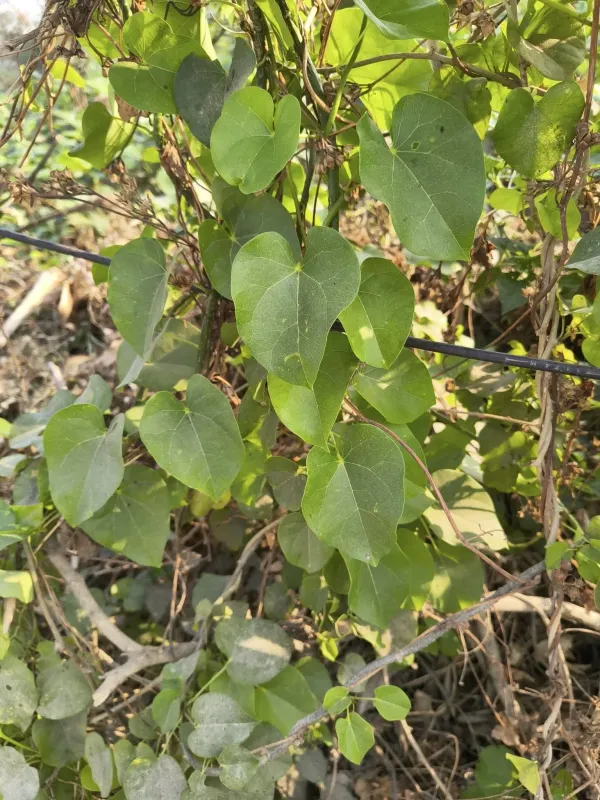
Description
Sowing dates
Tinospora cordifolia, commonly known as Guduchi or Giloy, is a perennial climbing shrub belonging to the Menispermaceae family. Propagation is predominantly achieved through stem cuttings, as seed germination is often irregular and time-consuming in natural field conditions.
For optimal results, cuttings should be taken during the monsoon season. Select healthy, semi-hardwood stems that are at least 15–20 cm in length. Ensure that each cutting contains at least two to three nodes, as these are the primary points from which roots and new shoots emerge.
Before planting, the base of the cuttings can be treated with natural rooting hormones to improve survival rates. The cuttings are then inserted into a well-drained nursery bed or directly into the main field, depending on the scale of operation and regional climatic conditions.
Spacing is a critical factor in the agricultural design of a Tinospora plantation. Plants should be set at distances of 2 to 3 meters apart. This allows for adequate aeration and provides the climbing stems with enough space to spread, which is vital for preventing the development of humidity-induced diseases.
Once established, the plant exhibits vigorous vegetative growth. Consistent monitoring of the cuttings during the first few weeks is essential to ensure they remain moist and secure within the soil until the root system is sufficiently developed to support the plant's rapid vertical climb.
Growing requirements
Tinospora cordifolia thrives in tropical and subtropical climates, preferring temperatures between 25°C and 35°C. It is highly adaptable to various environments but performs best in regions with moderate rainfall and high humidity throughout the active growth period.
Regarding soil requirements, the plant is not overly demanding but prefers deep, fertile, and well-drained soils. Loamy or sandy-loam soils are ideal, as they prevent waterlogging, which is a major concern for the plant’s extensive root system, potentially causing rotting in heavy clay environments.
The plant demonstrates a strong preference for sunny locations, although it can tolerate partial shade. In its natural habitat, it often climbs over other trees, using them for support and protection. In cultivation, artificial trellises or existing live fences are commonly used to guide the growth.
Fertilization should focus on organic inputs. Incorporating compost or well-decomposed farmyard manure at the time of land preparation provides the necessary nutrients for sustained growth. Regular soil amendments help maintain soil structure and microbial health, which are vital for the long-term vitality of the crop.
Water management is essential during the early stages of growth. While the plant is drought-tolerant once established, providing regular irrigation during dry spells promotes better stem development and higher accumulation of therapeutic metabolites, which are highly valued in the herbal industry.
Main diseases and pests
The plant is relatively resistant to major agricultural pests; however, some instances of damage by leaf-eating caterpillars and beetles may occur. These pests can significantly reduce the foliage area, thereby hindering the plant’s overall photosynthetic capacity if left unmanaged.
In highly humid environments, fungal infections, such as leaf spot or stem rot, may be observed. Implementing proper field sanitation, such as removing affected plant parts and ensuring adequate spacing between plants to facilitate airflow, is the most effective way to prevent the spread of these pathogens.
Minor infestations of aphids or spider mites may occur during dry seasons. Farmers are encouraged to use integrated pest management (IPM) techniques, including the application of neem-based extracts or other botanical pesticides, to control pest populations without contaminating the medicinal raw material.
Maintaining a clean plantation floor by controlling weeds is essential. Weeds can serve as secondary hosts for various insects and pathogens, so regular weeding around the base of the plants is a standard practice to keep the crop healthy and productive throughout its lifecycle.
Vigilant scouting of the field is recommended, particularly during the transition between wet and dry seasons. Early identification of any abnormalities allows for targeted interventions, reducing the need for broad-spectrum treatments and preserving the organic integrity of the Tinospora crop.
Harvesting
Harvesting Tinospora cordifolia is a long-term process, with the first major harvest usually taking place approximately two years after planting. By this time, the stems have reached sufficient girth and possess the optimal concentration of bioactive compounds required for pharmaceutical use.
The main product harvested is the stem, which is cut at the base, leaving a small portion for potential regrowth. Professionals use disinfected pruning shears to make clean cuts, ensuring that no damage is done to the central rootstock, which could compromise the plant's future health.
After the harvest, the stems are cleaned, stripped of leaves, and cut into manageable pieces. The material is then processed through a drying cycle. It is crucial to dry the stems in the shade to prevent the degradation of heat-sensitive chemical components, which are essential for its potency.
Proper storage is the final step in maintaining the quality of the harvested material. The dried stems should be kept in cool, dry, and well-ventilated conditions. Exposure to moisture during storage can lead to fungal growth, making the product unusable for industrial processing.
Efficient farm management involves rotating harvest sections to ensure a continuous supply. By following sustainable harvesting practices, farmers can maintain a productive plantation that yields high-quality medicinal material for several years without the need for frequent replanting.